Rip currents cause about 1 in 3 drownings in Australia. Many international students can't swim. Put those two facts together and you have the biggest safety issue for students heading Down Under, and it has nothing to do with crime. Australia is generally safe for international students, so take the water seriously and stay alert to scams, especially fake government officials and job and visa-status tricks, and you'll be fine.
Is Australia safe for international students?
Australia is a friendly, popular destination for Indian students, and most have a safe experience. The beaches are one of the best things about student life there. They can also be dangerous if nobody has told you the rules.
Most drowning deaths happen on unpatrolled beaches. Lifesavers usually patrol the popular beaches from about September to May, and they mark the safest stretch with red and yellow flags. If you remember two things from this page, make it these: swim between the flags, and learn to swim if you can't. Back on land, the people to watch are scammers who pretend to be government officials or threaten your visa status.
Your beach routine
Beaches are part of everyday life in Australia, and you'll probably get invited to one in your first few weeks. Run through this every single time.
- Is the beach patrolled? Lifesavers usually patrol popular beaches from about September to May. Away from those beaches, or outside those months, there may be nobody watching.
- Where are the flags? Swim only between the red and yellow flags.
- How well do you really swim? If the honest answer is 'not well', stay in shallow water near the lifesavers, or stay out altogether, and book lessons.
- Who's with you? Swim with a friend and agree to watch each other the whole time.
- Caught in a rip? Float. Don't swim against it. Raise an arm so lifesavers can see you need help.
- Someone else in trouble? Get help. Tell a lifesaver or call 000. Don't go in after them yourself.
Pass these rules on to new friends. Plenty of international students arrive never having swum in the sea, and what you share could save a life.
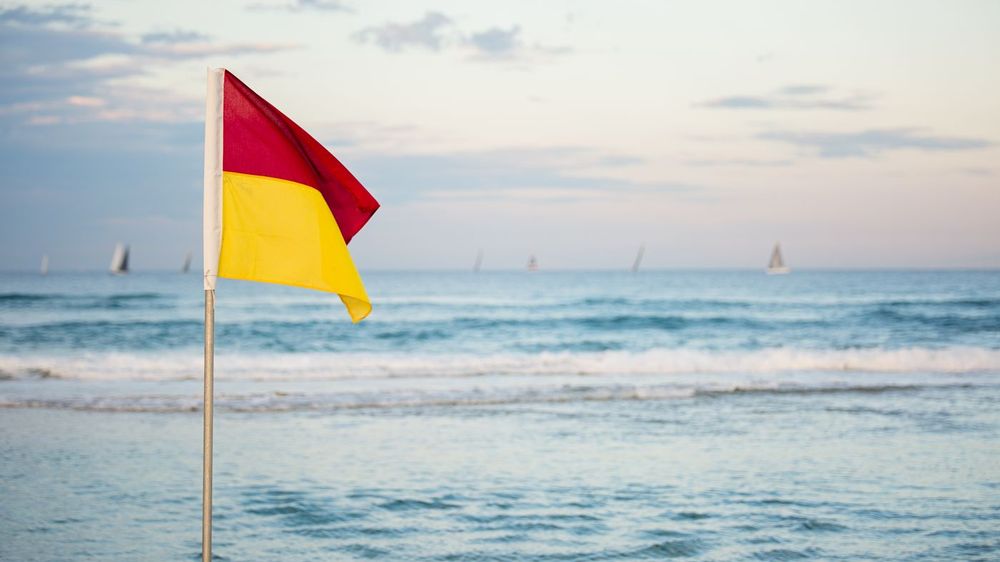
Safety note: Rip currents cause about 1 in 3 drownings in Australia. If you are caught in one, stay calm, float, do not swim against it, and raise an arm to signal for help. The safest choice is always to swim between the red and yellow flags on a patrolled beach.
Do this
- Swim between the red and yellow flags. That's the patrolled stretch, where lifesavers are watching.
- Pick patrolled beaches. Most drowning deaths happen on unpatrolled ones, so swim where lifesavers are on duty.
- Learn to swim. Many international students can't. Ask your institution if it offers lessons, because some do.
- Know the rip drill. Float, don't fight the current, and raise an arm to signal for help.
- Hang up on dodgy 'officials'. If someone claiming to be from the government threatens you or asks for money, end the call and check with your institution.
- Learn the e-bike and safety rules if you do food delivery. Knowing them keeps you safe and helps you avoid fines.
- Save 000 in your phone. 112 also works from mobiles.
Not this
- Don't swim at unpatrolled beaches. That's where most drowning deaths happen.
- Don't swim against a rip current. Float, and raise an arm so lifesavers can spot you.
- Don't overestimate your swimming. If you're not a strong swimmer, keep out of deep water and sign up for lessons.
- Don't swim alone. Go with friends and keep an eye on each other.
- Don't pay anyone who says your visa is in trouble. Visa-status scams use fear to hurry you. Check with your institution first.
- Don't accept a job that wants upfront payment or your bank logins. Job scams often target new students.
- Don't ride a delivery e-bike without knowing the rules. Riders who break e-bike or safety rules can be fined.
- Don't share passwords, bank details or one-time codes with anyone who contacts you unexpectedly.
Scams on dry land
The water is the physical risk. Scammers are the financial one.
- Fake government officials. You owe money, the caller says, or you've broken a rule, and you must pay now. Hang up and check with your institution's international office before doing anything at all.
- Visa-status scams. Someone claims there's a problem with your visa that only a quick payment can fix. Take any visa question to your institution and official government websites.
- Job scams. An easy, well-paid job that needs an upfront fee or your bank details. Walk away and ask your institution's careers team.
- Kidnapping scams. Scammers use threats to frighten students and their families into sending money. Stay in regular touch with your family, and call the police on 000 if anyone threatens you.

Emergency numbers
| Service | Number |
|---|---|
| Police, fire and ambulance | 000 |
| Emergency from a mobile phone (also works) | 112 |
Ready to go?
- Save 000 in your phone, and remember that 112 also works from mobiles.
- Ask your institution whether it runs swimming lessons, and book one early.
- Keep digital copies of your passport, visa documents and enrolment letter somewhere secure.
- Planning food delivery work? Read up on the e-bike and safety rules first.
- Talk to your family about kidnapping and visa-status scams, so they know to check with you before sending any money.
Respect the water, learn how scammers work, and Australia is a safe and exciting place to study. To plan your next steps, read our guide to Australia's student visa changes for 2027. There's more on universities and costs on our study in Australia page, and you can always book a free counselling session to work through your plan with us.
Safety note: This guide is general information, not legal advice. Rules change, so always check your university's international office and official government websites before you act. Glocal EduGrow will never ask for your passwords, bank details or one-time codes.
Frequently asked questions
Is Australia safe for Indian students?
Yes, Australia is generally safe for international students, including Indian students. The biggest risk is water safety at the beach, followed by scams such as fake government officials and visa-status scams.
What do the red and yellow flags mean on Australian beaches?
They mark the patrolled area where lifesavers are watching. Always swim between them. Lifesavers usually patrol popular beaches from about September to May.
What should I do if I get caught in a rip current?
Stay calm, float and do not swim against the current. Raise an arm to signal for help. Rip currents cause about 1 in 3 drownings in Australia.
I can't swim. Should I still go to the beach?
You can enjoy the beach, but stay out of deep water and swim only between the red and yellow flags. Many international students cannot swim, so learn; some institutions offer lessons.
What is the emergency number in Australia?
Call 000 for police, fire or ambulance. 112 also works from mobile phones.