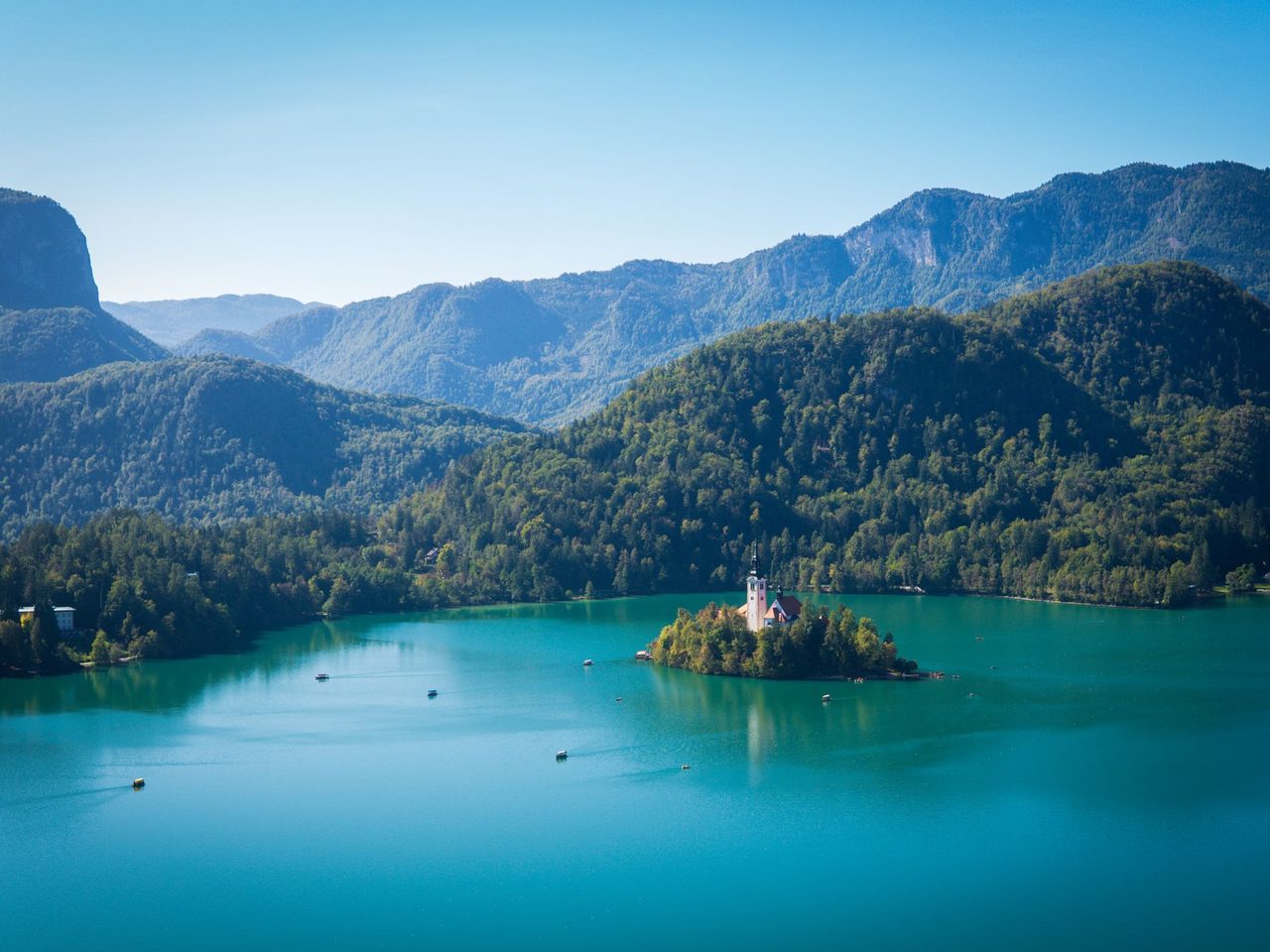
Living costs of around €600 to €900 a month are rare for an EU country, and they're a big reason to study in Slovenia. This small EU and Schengen member between the Alps and the Adriatic offers public universities with modest tuition and everyday costs well below Western Europe, and it has a reputation as one of the safest and greenest countries in the world. If you want an affordable European degree, especially at master's level, it deserves a place on your shortlist.
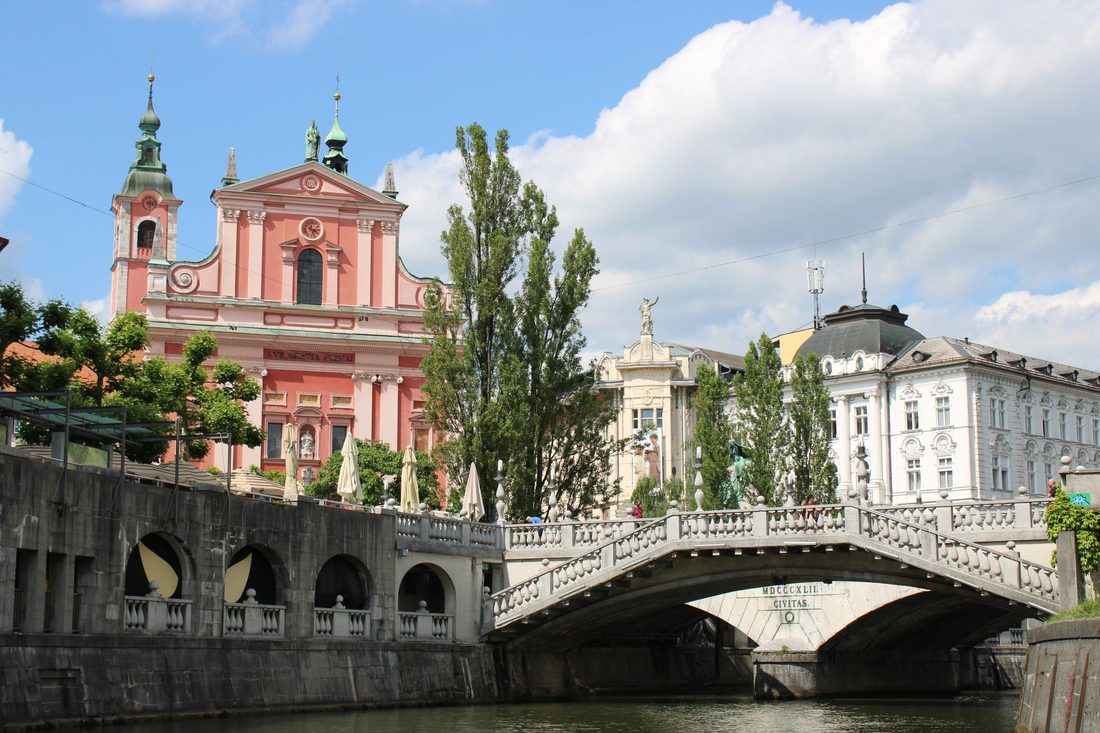
Why Study in Slovenia?
- EU degrees recognised across Europe
- Tuition well below most Western European countries
- Living costs of around €600 – €900 a month
- A growing range of English-taught master's programmes
- A Schengen residence permit for travel across Europe
- A safe, relaxed student life with mountains, lakes and the sea close by
Universities in Slovenia
University of Ljubljana
Slovenia's oldest and largest university has around 40,000 students across 26 faculties and academies. Its English-taught master's programmes include computer science, economics and business, engineering and the natural sciences.
University of Maribor
The second-largest university is strong in engineering, economics and business, logistics and tourism. Maribor itself is a lively student city, and a very affordable one.
University of Primorska
On the Adriatic coast in Koper, Primorska is known for mathematics, computer science, tourism and management.
University of Nova Gorica
A small, research-focused university with an international outlook. It offers programmes in environmental sciences, physics and engineering.
Popular Courses
- Computer and Information Science
- Electrical and Mechanical Engineering
- Economics, Business and Finance
- Tourism and Hospitality
- Environmental Sciences
- Biotechnology
- Mathematics and Physics
- Architecture
Cost of Studying in Slovenia
| Expense | Typical amount |
|---|---|
| Tuition (non-EU) | €2,000 – €9,000 a year, depending on the programme |
| Student dormitory | €150 – €250 a month |
| Private shared flat | €300 – €450 a month |
| Food and personal costs | €250 – €350 a month |
| Public transport | Discounted student passes and low-cost intercity travel |
Students also get subsidised meals: with a student voucher, a full meal at a participating restaurant costs only a few euros.
Admission Requirements and How to Apply
You apply to Slovenian public universities through the national eVŠ portal. The academic year starts on 1 October. International students usually apply in the first round, which opens in February and closes in March, and a second round in summer fills any places left over. You'll typically need:
- Class 12 (for a bachelor's) or a recognised bachelor's degree (for a master's)
- Recognition of your previous qualifications for further study
- An English test such as IELTS 6.0 – 6.5 for English-taught programmes
- A motivation letter, CV and any other documents your programme asks for
- A valid passport
Residence Permit for Study
As an Indian student you'll need a temporary residence permit for study. Apply at the Embassy of Slovenia in New Delhi once you've enrolled, with your enrolment certificate, proof of sufficient funds, health insurance, a police clearance certificate and your passport. Processing can take several weeks, so apply as soon as your enrolment documents arrive.
Working While Studying
Student status lets you take part-time student work through authorised student employment agencies, generally up to 20 hours a week. Student work is common in Slovenia, in shops, cafés, tourism and offices.
How Glocal EduGrow Helps
We'll help you find English-taught programmes that fit your profile, submit your eVŠ application on time, sort out qualification recognition and put together a complete residence permit file. Talk to us before the February round opens.