A recognised EU degree, modest tuition and some of the lowest living costs in the Schengen area. That's what a low cost EU degree in Slovenia looks like, and it's exactly what many students are looking for. Yet when Indian students think about Europe, Germany, France and the Netherlands usually come first, and Slovenia rarely makes the list at all.
The country in brief
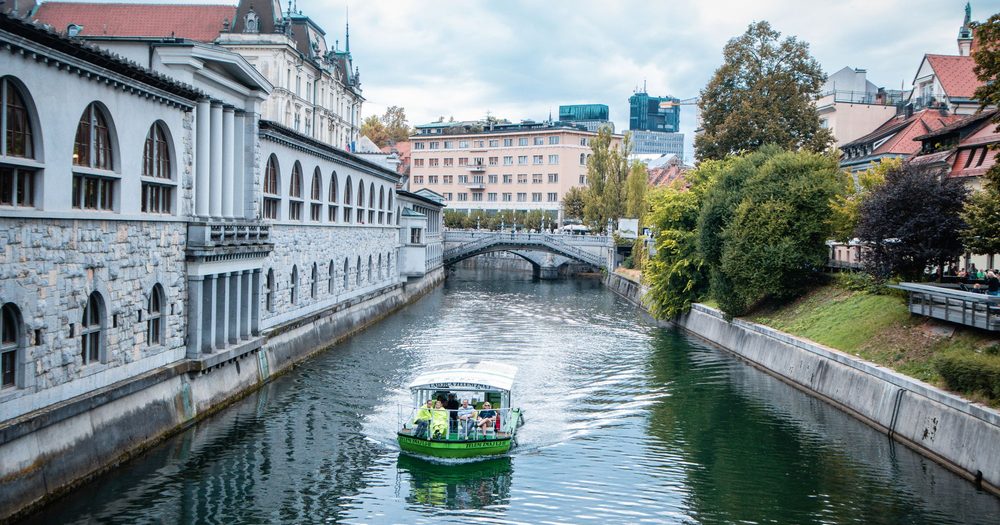
Slovenia is small, with about two million people, and shares borders with Italy, Austria, Hungary and Croatia. Ljubljana, the capital, is a compact student city you can walk across. The Alps, Lake Bled and the Adriatic coast are all within easy reach. It's an EU and Schengen member, and it's consistently ranked among the safest countries in the world.
Universities to look at
- University of Ljubljana: the largest and oldest, with English-taught master's programmes in computer science, economics and business, engineering and the sciences
- University of Maribor: strong in engineering, economics, logistics and tourism
- University of Primorska: on the coast, known for mathematics, computer science and tourism
- University of Nova Gorica: small and research-focused, with an international outlook
Most English-taught options are at master's level. So Slovenia really suits graduates who want an affordable European master's.
The real costs
| Expense | Typical amount |
|---|---|
| Tuition (non-EU) | €2,000 – €9,000 a year |
| Student dormitory | €150 – €250 a month |
| Total living costs | €600 – €900 a month |
Subsidised student meals bring daily costs down further. With a student voucher, a full lunch at participating restaurants costs just a few euros.
Applying
You apply to public universities through the national eVŠ portal. The academic year starts on 1 October. For international students, the first application round usually runs from February to March, and a second round in summer fills any remaining places. Your previous qualifications also need to be recognised for further study, which takes time, so start early.
Your residence permit and part-time work
Once you've enrolled, you apply for a temporary residence permit for study at the Embassy of Slovenia in New Delhi. You'll need proof of funds, health insurance, a police clearance certificate and your passport. In Slovenia, students can take part-time work through authorised student employment agencies, generally up to 20 hours a week.
Is Slovenia right for you?
It's a smart choice if you want an EU master's on a tight budget, you care about safety and quality of life, and you're happy in a smaller, quieter country. Talk to a Glocal EduGrow counsellor and we'll check which Slovenian programmes match your profile and how to make the February application round.
Frequently asked questions
Is Slovenia a good country for Indian students in 2027?
Slovenia suits students who want an affordable EU master's in a safe, quiet country. The choice of English-taught programmes is widest at master's level, mainly at the University of Ljubljana.
What is the University of Ljubljana tuition fee for international students?
Fees for non-EU students vary by programme, typically from about €2,000 to €9,000 a year. Check the faculty's fee list for your programme before applying.
How do I get a Slovenia student visa from India?
After enrolment, apply for a temporary residence permit for study at the Embassy of Slovenia in New Delhi with your enrolment certificate, proof of funds, health insurance and police clearance.