
The US State Department notes that many foreign visitors die in Slovenia's mountains. That's not a line you'd expect in a guide about a small, peaceful country, but it's the most useful thing to know before you go. So, is Slovenia safe for international students? Yes. It's a generally safe, low-risk country, and the police are professional and responsive if you need them. Keep an eye out for pickpockets in busy areas and take great care in the mountains. Most of your safety comes down to good everyday habits and sensible outdoor planning.
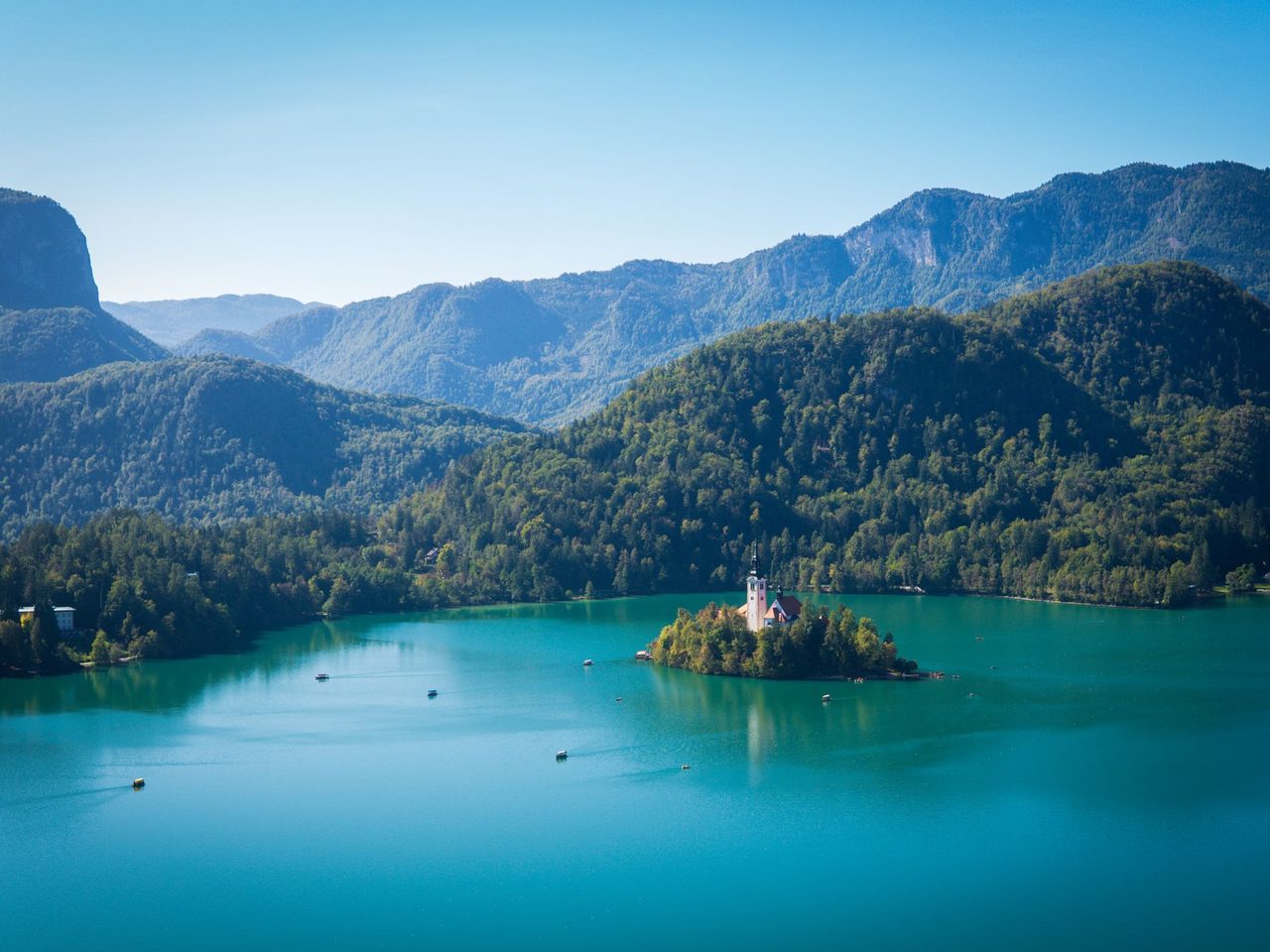
Calm towns, serious mountains
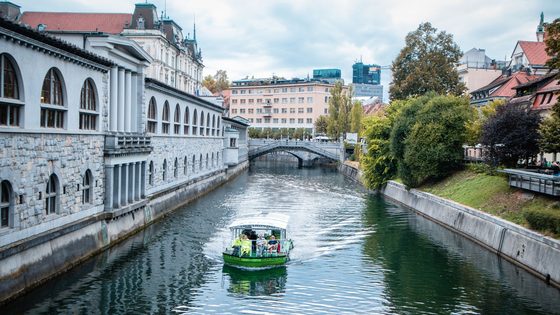
Slovenia is small and calm, and many students find daily life relaxed and comfortable. The main everyday concern is pickpocketing in busy places: crowded streets, stations and public transport. Keep your bag closed and your phone out of reach, and you become a much harder target.
The mountains are what catch newcomers off guard. They're beautiful and easy to reach, so it's tempting to treat a mountain walk like a stroll in the park. Don't. If you plan to hike, preparation isn't optional. Good planning, the right gear and never going alone make a real difference.
Emergency numbers to save
| Service | Number |
|---|---|
| Medical, fire and rescue | 112 |
| Police | 113 |
Save both before you travel, and make sure everyone you travel or hike with knows them too.
Mountain and hiking safety in Slovenia
Hiking is one of the joys of studying here, and many students head for the mountains at weekends. It's also where the most serious accidents happen. So treat every trip with respect, whether it's a big day out or a short walk you've been told is easy. Running through the lists below before every trip is time well spent.
Safety note: The biggest safety risk for students in Slovenia is in the mountains, not the cities. The US State Department notes that many foreign visitors die in Slovenia's mountains. Follow hiking safety rules, never hike alone, and turn back if you're unsure.
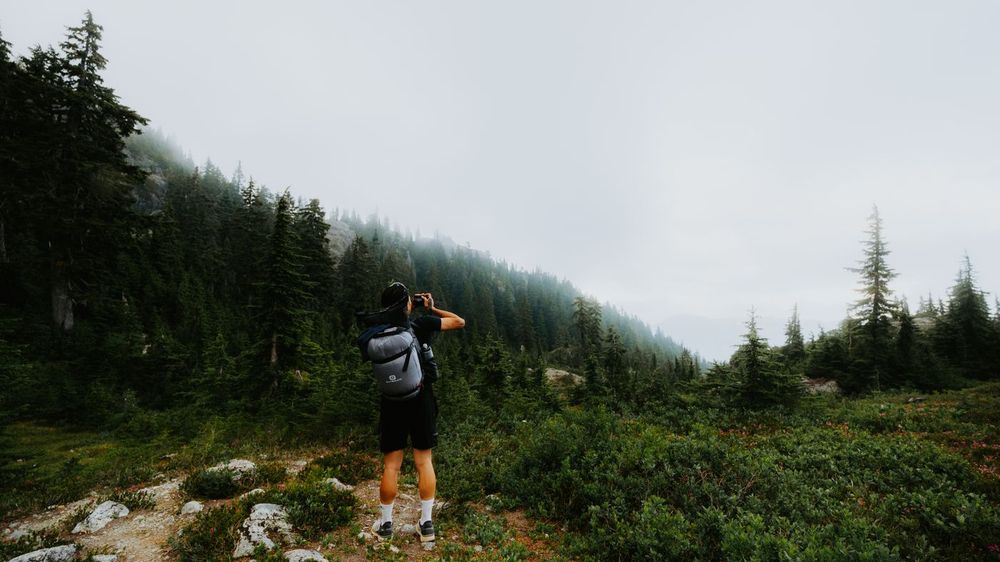
Before you set off
- Plan your route, and pick one that matches your fitness and experience. Start with easier, well-marked trails.
- Check the weather forecast on the day you leave, not just earlier in the week.
- Tell someone where you're going and when you expect to be back.
- Pack the basics: sturdy footwear, warm and waterproof layers, water, food and a fully charged phone. Don't head into the mountains unprepared.
- Go with friends or a group. If something goes wrong on a remote trail, having someone with you can be vital.
Once you're on the trail
- Stay with your group and keep to marked paths.
- Turn back early if the weather changes or the forecast looks bad, if you feel tired, or if the route looks harder than you expected.
- Call 112 if someone is hurt or you're lost.
New to hiking? Ask your university or student groups whether they run trips with experienced leaders.
Everyday habits in town
A few simple habits make you a much harder target for pickpockets. Use a zipped bag worn in front of you, and keep your phone in an inside pocket, never a back pocket. Don't leave your bag unattended in cafes, libraries or on public transport.
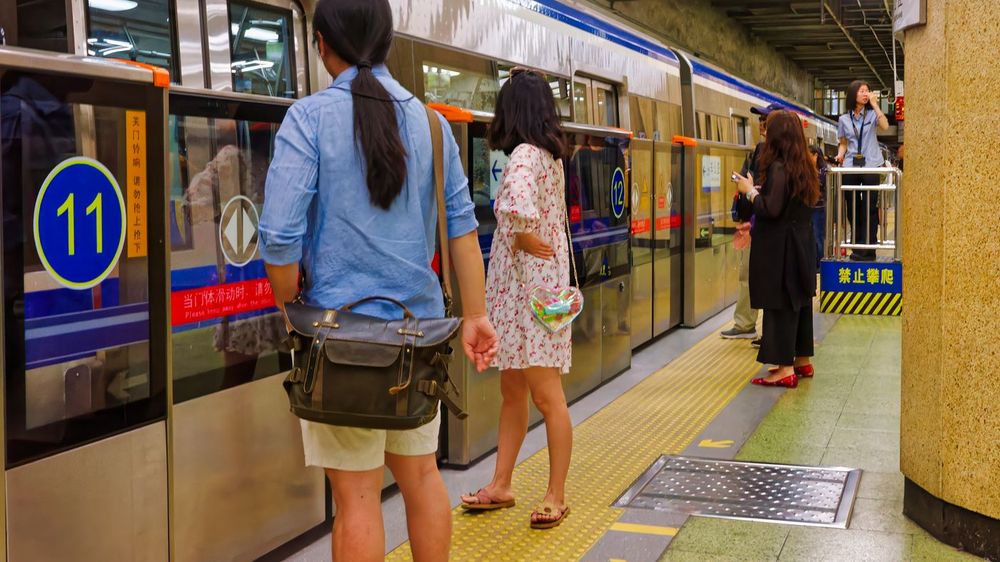
If something does happen, report it. The police are professional and responsive, so don't keep quiet about a theft or a problem.
Common scams targeting students in Slovenia
Slovenia is low-risk, but students everywhere run into some of the same tricks. These are the general ones to know.
- Distraction pickpocketing. Someone bumps into you, asks a question or makes a fuss while another person takes your phone or wallet. Keep your bag closed and in front of you in busy areas.
- Fake room listings. A room is advertised online at an attractive price, and you're asked for a deposit before you can see it. Use university housing channels, and never pay before you've confirmed the room is real.
- Phishing messages and calls. A message or call pretends to come from your bank or an official body and asks for your details or a one-time code. Never share passwords or codes. Hang up and contact your university or bank directly.
- Job offers that need a fee. An easy, well-paid job, but you have to pay first. Genuine employers don't ask you to pay to get a job.
Health insurance and paperwork
Students from outside the EU are included in the Slovenian health insurance system. Check your university's guidance on what you need to do.
Use your university's welcome support early, too, so residence permit steps don't pile up. The University of Ljubljana, for example, runs a welcome day and a desk for residence permit paperwork. Ask your own university what it offers. And keep scans of your passport, visa, residence permit papers and insurance details stored securely online.
Before you fly: a quick checklist
- Save 112 and 113 in your phone.
- Read your university's guidance on health insurance for students from outside the EU.
- Find out about your university's welcome day and residence permit support.
- Scan your passport, visa, admission letter and insurance documents.
- Pack sturdy shoes and warm layers if you plan to hike.
Slovenia is a peaceful, affordable place to study, and a few sensible habits will keep you safe there. To learn more about universities and costs, visit our page on how to study in Slovenia, and read our guide to studying in Slovenia for a low-cost EU degree. When you're ready to plan your move, book a free counselling session.
Safety note: This guide is general information, not legal advice. Rules change, so always check with your university's international office and official government websites before you act. Glocal EduGrow will never ask for your passwords, bank details or one-time codes.
Frequently asked questions
Is Slovenia safe for international students?
Yes, Slovenia is a low-risk country for international students. The main everyday concern is pickpocketing in busy areas, and the police are professional and responsive. The biggest serious risk is in the mountains, so plan hikes carefully.
What are the emergency numbers in Slovenia?
Dial 112 for medical emergencies, fire and rescue, and 113 for the police. Save both numbers in your phone before you travel.
Is hiking in Slovenia dangerous?
Hiking in Slovenia is popular and rewarding, but the US State Department notes that many foreign visitors die in Slovenia's mountains. Follow hiking safety rules, check the weather, choose routes that match your fitness and avoid hiking alone.
Do non-EU students get health insurance in Slovenia?
Students from outside the EU are included in the Slovenian health insurance system. The details can vary, so check your university's guidance on how to register and what is covered.
Is Ljubljana safe for students?
Ljubljana is generally safe for students. As in any city, keep an eye on your belongings in busy areas. The University of Ljubljana also runs a welcome day and a desk for residence permit paperwork to help new students settle in.