Two locks on your bike, and no money for a room you haven't verified. Those two rules cover most of what goes wrong for students in the Netherlands. The Netherlands is generally safe for international students, and the problems you're most likely to meet are housing scams and bike theft, not danger to yourself. Fake room listings on TikTok and other social media target students desperate to find a place, and bike theft is very common. Plan a little, and you can sidestep both.
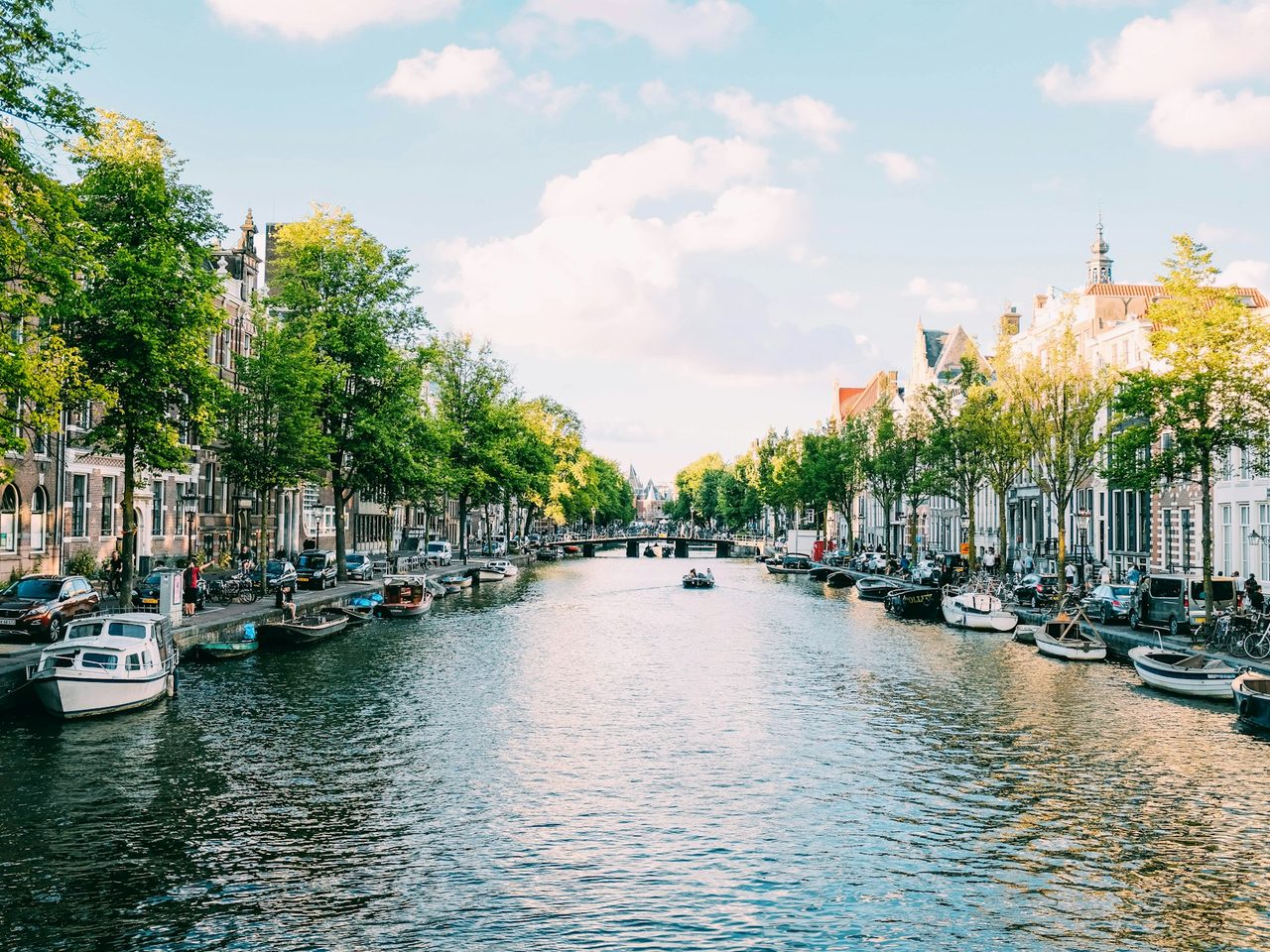
Is the Netherlands safe for international students?
Day to day, life in the Netherlands is generally safe and well organised, and universities give international students good support. Most of the problems students face are about money and property, not their own safety: a deposit lost to a fake landlord, or a bike that's gone when you come back for it.
Housing worries people most. The national student union reported more housing fraud in 2026, and plenty of fake listings now turn up on TikTok and other social media. Rooms are hard to find, so many institutions advise students not to arrive without secured housing. Scammers use exactly that pressure to rush you into paying before you've checked anything.
Protecting your bike
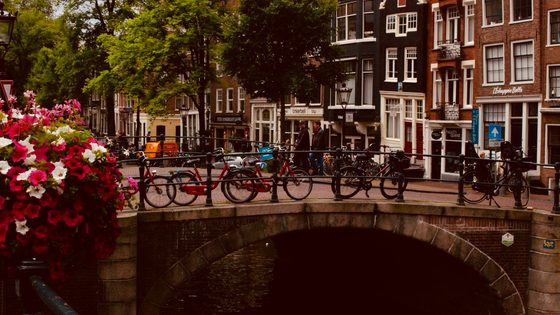
Cycling is a huge part of everyday Dutch life, and bike theft is very common. These habits make a real difference:
- Use a heavy chain lock plus a second lock, and lock the frame to a fixed object, not just the wheel.
- Park in well-lit areas or official bike parking wherever you can.
- Note your frame number, and keep a photo of your bike on your phone.
- If your bike is stolen, report it to the police on the non-emergency number, 0900-8844.
- Buy second-hand bikes from trusted shops or sellers, not from a stranger with a price that seems too low.
How housing scams work in the Netherlands
- Fake listings on social media. Great photos, a low price, posted on TikTok or in a group chat. Check the listing with your university, and never pay before it's verified.
- The landlord who's abroad. The owner is overseas, apparently, and will send the keys after you pay a deposit. Insist on a viewing, either in person or through someone you trust.
- Reservation or viewing fees. You're asked to pay just to see a room or to hold it. Refuse to pay anything before you've seen the room and a proper contract.
- Document harvesting. A fake landlord asks for passport scans and bank details early on. Share documents only once you've confirmed the landlord is real.
- Phishing messages. A link asks you to log in to your bank or confirm a payment. Open your banking app, or type the website address yourself.
Safety note: Housing fraud is the biggest risk for students heading to the Netherlands. The national student union reported more housing fraud in 2026, and many fake listings appear on TikTok and social media. Never pay for a room until you have verified the landlord and the property, and ask your university if you are unsure.
Eight things to do
- Secure housing before you travel. Many institutions advise against arriving without a confirmed place, so start early and use your university's housing resources.
- Verify the landlord and the listing. Ask for a viewing, check the address exists, and ask your university or student services if anything feels off.
- Use a heavy chain lock plus a second lock. Bike theft is very common, and two strong locks make your bike a much less tempting target.
- Park in well-lit or official bike parking. Avoid quiet, dark corners, especially overnight.
- Note your bike's frame number. Write it down and photograph your bike, so you can report it clearly if it's stolen.
- Register with the municipality (gemeente). Staying more than four months? Then you need to register. Check the steps on your municipality's website.
- Check the rules before taking a part-time job. Part-time work can affect your insurance and tax, so check with your university or official websites first.
- Keep copies of important documents. Store scans of your passport, visa, admission letter and rental contract securely.
Eight things not to do
- Don't pay a deposit for a room found on social media without checking it. Fake listings on TikTok and similar platforms are common.
- Don't let urgency push you into paying. A landlord claiming ten other students want the room today is waving a warning sign.
- Don't arrive without secured housing if you can avoid it. Follow your institution's advice.
- Don't leave your bike without a lock, not even for a minute. A thief needs only a few seconds.
- Don't buy a suspiciously cheap second-hand bike from a stranger. It may well be stolen.
- Don't send passport scans to a landlord you haven't verified. Your documents can be misused.
- Don't start a job before checking how it affects your insurance and tax. Ask your university first.
- Don't share passwords, PINs or one-time codes. No real bank, university or official will ask for them.
Emergency and police numbers
| Service | Number |
|---|---|
| Emergency | 112 |
| Police (non-emergency) | 0900-8844 |
Keep 112 for genuine emergencies. For something like reporting a stolen bike after the fact, use the police non-emergency number.
Last checks before you fly
- Confirm verified housing before you travel, as your institution advises.
- Save 112 and 0900-8844 in your phone, along with your university's international office number.
- Scan your passport, visa, admission letter and insurance documents and store them securely.
- Find out how to register with your municipality (gemeente) if you're staying more than four months.
- Budget for a heavy chain lock and a second lock for your bike.
Know the common traps and the Netherlands is a great place to study. Browse universities and costs on our study in the Netherlands page, and read our study in the Netherlands from India 2027 guide. If you'd like a hand with your plan or your housing questions, book a free counselling session with our team.
Safety note: This guide is general information, not legal advice. Rules change, so always check your university's international office and official government websites before you act. Glocal EduGrow will never ask for your passwords, bank details or one-time codes.
Frequently asked questions
Is the Netherlands safe for international students?
Yes, the Netherlands is generally safe for international students. The most common problems are housing scams and bike theft, both of which you can reduce with careful planning.
How can I avoid housing scams in the Netherlands?
Never pay for a room you found on social media without verifying the landlord and the property, refuse pressure to pay quickly, and ask your university or student services if you are unsure. Many institutions advise not arriving without secured housing.
How do I protect my bike from theft in the Netherlands?
Use a heavy chain lock plus a second lock, park in well-lit or official bike parking, and note your frame number so you can report the bike if it is stolen.
Do I need to register with the municipality in the Netherlands?
Yes, if you are staying more than four months you need to register with your municipality (gemeente). Check the exact steps on your municipality's website.
What are the emergency numbers in the Netherlands?
Call 112 in an emergency. For non-emergency police matters, such as reporting a stolen bike after the event, call 0900-8844.