
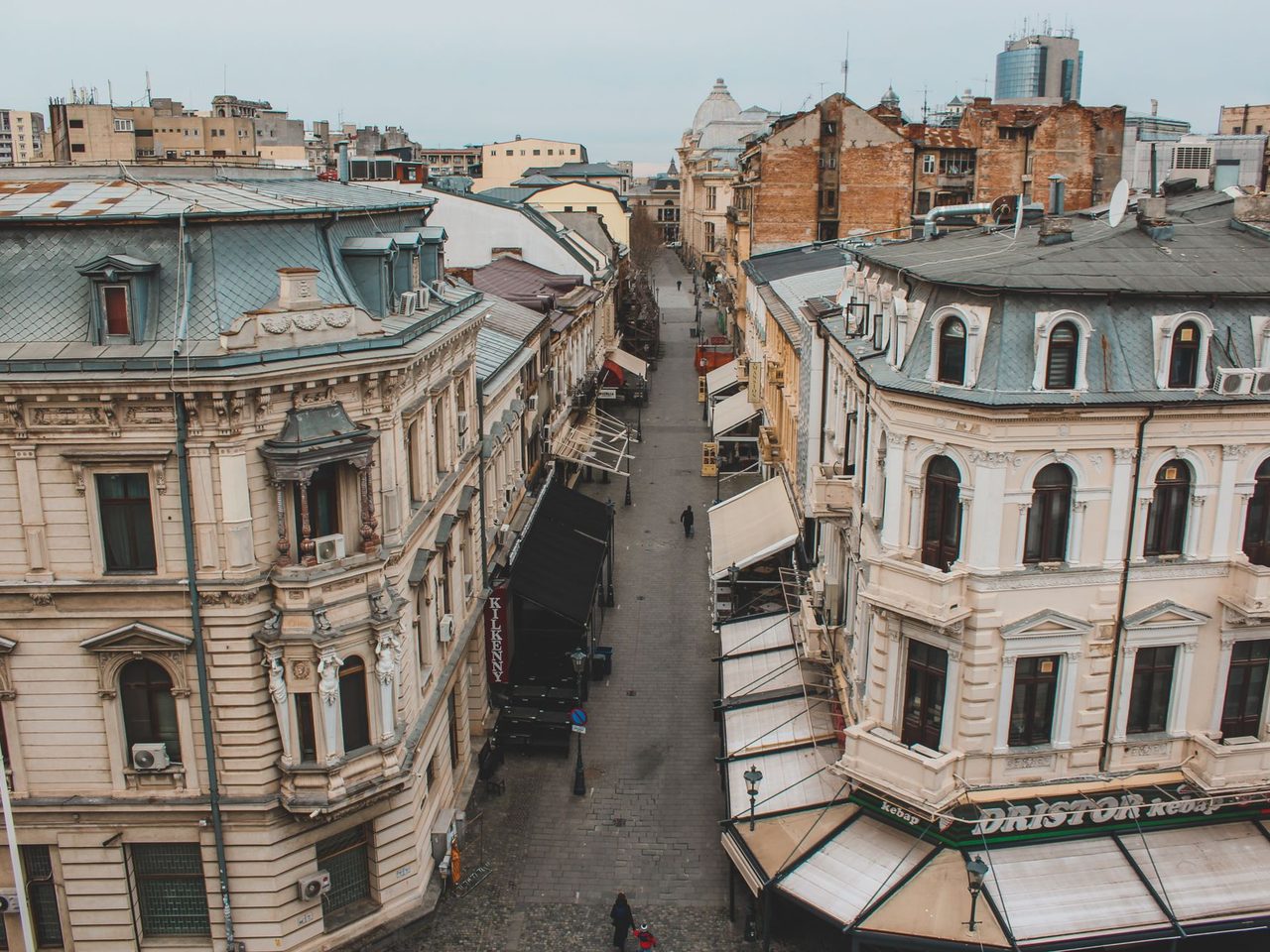
Romania has some of the lowest study and living costs in Europe, and it's an EU country with long-established public universities. Indian students who study in Romania mostly know it for six-year English-taught medicine programmes at historic medical universities. But it also teaches engineering, IT, business and economics. And because Romania is in the EU, its degrees are recognised across the European Union.
Why Study in Romania?
- EU degrees at a fraction of Western European costs
- Medical universities with more than a century of history
- English-taught medicine, dentistry, pharmacy and engineering
- Living costs of around €400 – €700 a month
- Growing technology hubs in Bucharest, Cluj-Napoca and Iași
- Part-time work rights for students
Leading Universities
Carol Davila University of Medicine and Pharmacy, Bucharest
Romania's best-known medical university, based in the capital, teaching medicine, dentistry and pharmacy.
Iuliu Hațieganu University of Medicine and Pharmacy, Cluj-Napoca
A highly regarded medical university in Cluj-Napoca, one of the country's most popular student cities.
Grigore T. Popa University of Medicine and Pharmacy, Iași
One of Romania's oldest medical schools, with a long tradition of teaching international students.
Victor Babeș University of Medicine and Pharmacy, Timișoara
A modern medical university in western Romania with English-taught programmes.
Babeș-Bolyai, University of Bucharest and POLITEHNICA Bucharest
Large public universities for business, economics, computer science, engineering and the sciences.
Studying Medicine in Romania: What Indian Students Should Know
Medicine in Romania is a six-year integrated programme. Indian students choose it for the EU recognition of the degree, clinical training in university hospitals and moderate fees. Before you apply, though, check how the programme fits India's rules for foreign medical graduates.
- You need to qualify NEET if you plan to practise medicine in India
- Read the National Medical Commission's Foreign Medical Graduate Licentiate Regulations: course length, internship, medium of instruction and registration in the country of study
- Some universities hold an entrance exam or interview; others admit on academic record
- Biology and Chemistry in Class 12 are essential, often with minimum marks
- Learning Romanian helps a great deal in the clinical years, when you work with patients
Cost of Studying in Romania
| Expense | Typical amount |
|---|---|
| Most bachelor's and master's programmes | €3,000 – €5,000 a year |
| Medicine, dentistry and pharmacy | €5,000 – €8,000 a year |
| Student dormitory | €50 – €150 a month |
| Private flat (shared) | €200 – €400 a month |
| Food, transport and personal costs | €250 – €350 a month |
Admission Process and the Letter of Acceptance
If you're from outside the EU, you apply to the university, and it forwards your application to Romania's Ministry of Education. The Ministry then issues a Letter of Acceptance for Studies, which you need before you can apply for a student visa. This takes several weeks, so start in spring if you're aiming for an October start.
- Choose your programme and prepare your documents (Class 12 or degree certificates, transcripts, passport, photos, medical certificate)
- Submit your application to the university
- Receive the Letter of Acceptance from the Ministry of Education
- Pay the first year's tuition fee
- Apply for the long-stay study visa at the Embassy of Romania in New Delhi
- After arrival, apply for your residence permit
Student Visa Requirements
- Letter of Acceptance for Studies
- Proof that the first year's tuition has been paid
- Proof of means of support for your stay
- Medical insurance
- Criminal record certificate
- Proof of accommodation
Working While Studying
With a residence permit for study, students from outside the EU can work part-time, up to 4 hours a day, without a separate work authorisation. After you graduate, you can switch to a work permit once a Romanian employer offers you a job.
How Glocal EduGrow Helps
We help you compare universities, check NMC requirements for medicine, prepare and translate your documents, track your Letter of Acceptance and put together your visa file. If Romania is on your shortlist, start with a call to us in early spring.