Taxi overcharging is the scam students in Romania meet most, and it often turns up in your very first hour, at the airport or the train station. That says a lot about the kind of risks you'll face. Is Romania safe for international students? Generally, yes. Violent crime is uncommon, and scams are the main thing to know about: taxi overcharging, people posing as plainclothes police, and online dating and financial fraud. Learn these tricks before you land, sort out your health insurance early, and you'll be well prepared.
Money, not violence
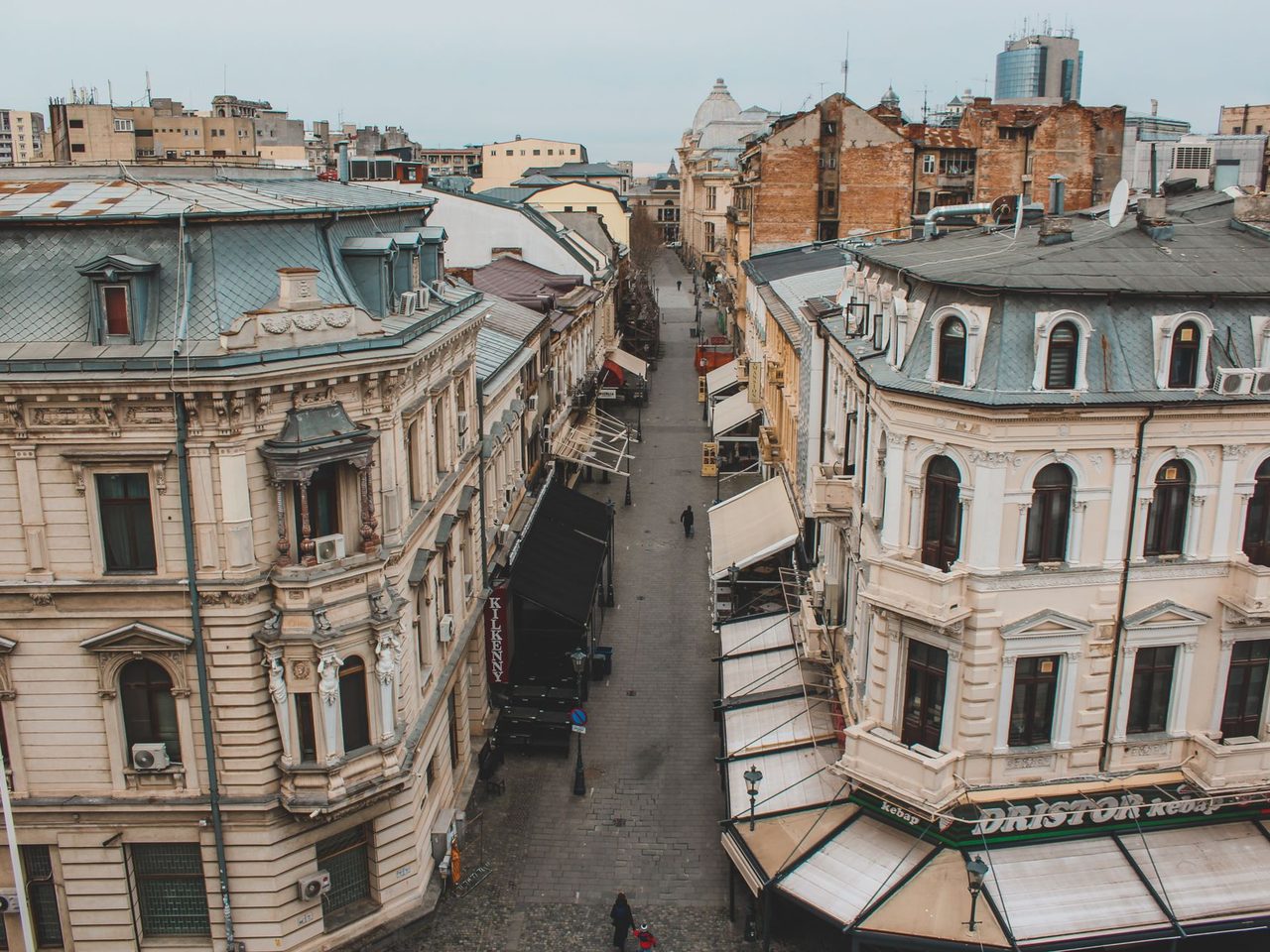
Many Indian students choose Romania, especially for medicine, and most enjoy a calm, settled student life. The problems you're more likely to face are about money. An inflated taxi fare. A stranger pretending to be a police officer. Someone online drawing you into fraud. None of these is hard to avoid once you know how it works, and each one is covered below.
Health is the other area to plan for. Medical care in hospitals isn't free for foreigners unless your insurance covers it, which is why insurance gets its own section further down. Sort it out before you travel, not after you need a doctor.
The one number to remember
| Service | Number |
|---|---|
| General emergency (police, ambulance, fire) | 112 |
Save 112 in your phone before you fly. In Romania, it's the one number to remember.
Taxis and getting around safely
Getting from the airport or station to your accommodation is often the first moment a new student meets a scam here. A bit of planning makes it easy.
Safety note: Taxi overcharging is the scam students in Romania meet most. It's worst around train stations such as Bucharest Gara de Nord, the airport and tourist areas. Use Bolt or Uber, or the airport arrivals touchscreens with displayed tariffs, and refuse any taxi that won't use the meter.
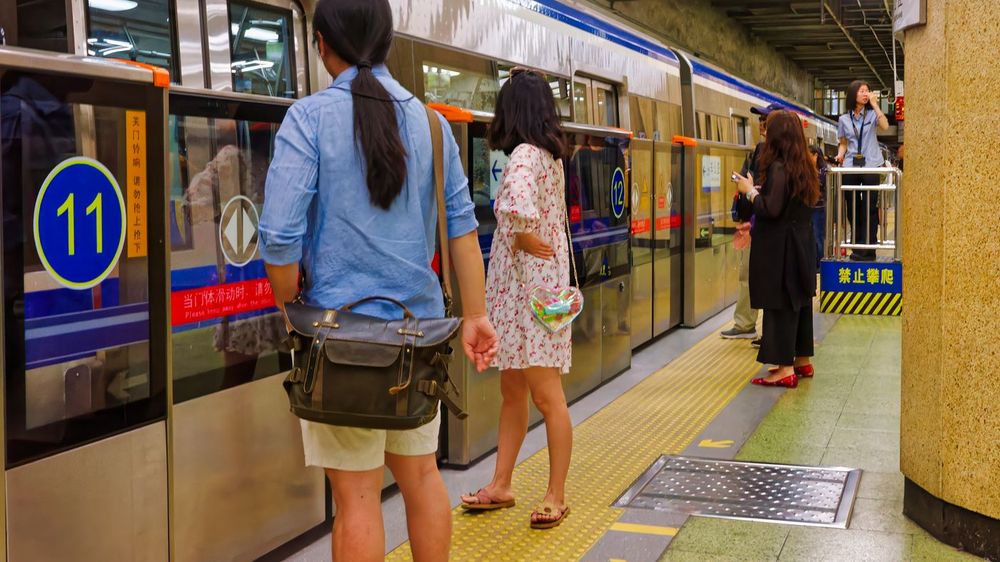
- Download Bolt and Uber before you fly. Set them up with your payment method so you can book a ride the moment you land. Use them especially around train stations, the airport and tourist areas.
- At the airport, use the arrivals touchscreens. They display tariffs, so you know what to expect before you book.
- Ignore drivers who approach you. That's how overcharging often starts, especially near stations and the airport. A polite no is enough. Walk on and use an app or the touchscreens.
- Insist on the meter. If you take a street taxi, check the meter is running from the start. If the driver won't use it, get out and book through an app instead.
- Travel together at night. Share rides with friends. When walking, stick to well-lit, busy main streets and skip dark, quiet shortcuts.
- Ask your university. Your international office or senior students can tell you the safest ways to travel locally.
When someone says they're police
A stranger in plain clothes says they're a police officer and asks to see your wallet or cards. Stay calm, and don't hand over your wallet, cards or passport. A genuine check shouldn't feel like a rush to take your money. If you're unsure, call 112.
Online contacts and money
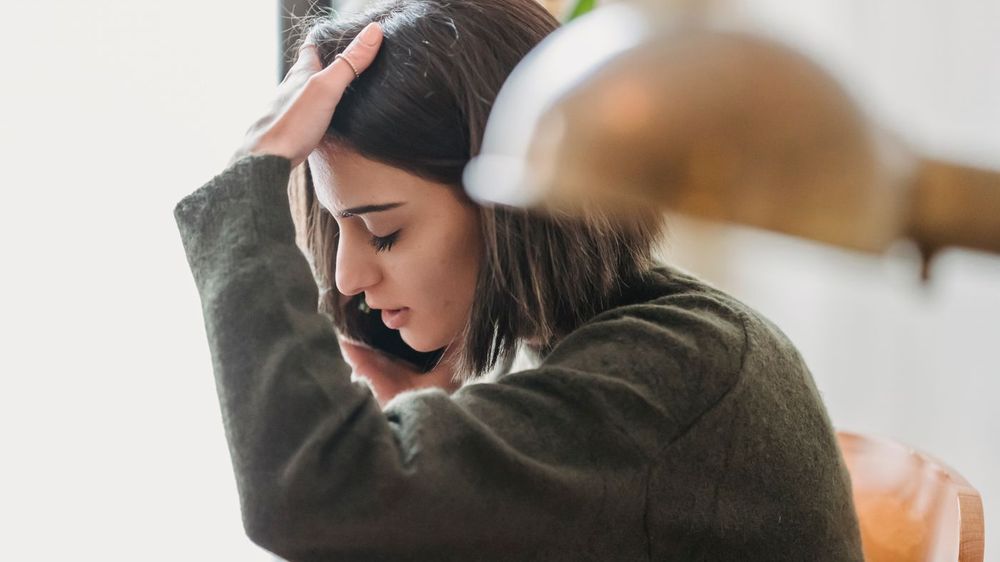
Be cautious with people you meet on dating apps or social media, especially once money comes up. Romance and investment stories are common ways for financial fraud to begin, so never send money to someone you've only met online. And don't share bank details or one-time codes with anyone. No genuine bank or official will ask for them by phone or message.
Common scams targeting students in Romania
- Taxi overcharging. A driver approaches you at a station or the airport, then charges far more than the trip should cost. Use ride-hailing apps or the airport touchscreens, and refuse taxis without a running meter.
- Fake plainclothes police. Someone claims to be a police officer, asks to check your wallet, cards or documents, and then takes money. Don't hand anything over, and call 112 if you're unsure.
- Online dating fraud. A new online friend builds trust, then asks for money for an emergency or a trip. Never send money to someone you haven't met and don't trust.
- Financial fraud. You're offered an investment or a quick way to make money, or asked to share bank details. Turn down offers that sound too good to be true, and never share codes or passwords.
Health insurance: check it before you need it
Hospital care in Romania isn't free for foreigners unless your insurance covers it. That matters for every student, and even more if you're a medical student who'll spend time in hospitals. Don't assume you're covered. Read your policy carefully and check that it covers public hospitals before you travel.
Keep scans of your passport, visa, admission letter and insurance stored securely online, too.
Before you fly: a quick checklist
- Save 112 in your phone.
- Check that your health insurance covers public hospitals in Romania.
- Download and set up Bolt and Uber.
- Scan your passport, visa, admission letter and insurance documents.
- Plan your first journey from the airport to your accommodation.
- Note your bank's card-blocking number.
Know the common scams and Romania can be a safe and rewarding place to study. To compare universities and costs, visit our page on how to study in Romania, and read our guide to MBBS and degrees in Romania for Indian students. For help planning your move, book a free counselling session.
Safety note: This guide is general information, not legal advice. Rules change, so always check with your university's international office and official government websites before you act. Glocal EduGrow will never ask for your passwords, bank details or one-time codes.
Frequently asked questions
Is Romania safe for international students?
Yes, Romania is generally safe for international students, and violent crime is uncommon. The main risks are scams, such as taxi overcharging, people posing as plainclothes police, and online dating and financial fraud.
What is the emergency number in Romania?
Dial 112 for all emergencies in Romania, including police, ambulance and fire. Save it in your phone before you travel.
How do I avoid taxi scams in Bucharest?
Overcharging is worst around train stations such as Bucharest Gara de Nord, the airport and tourist areas. Use ride-hailing apps such as Bolt or Uber, or the airport arrivals touchscreens with displayed tariffs, and refuse any taxi that won't use the meter.
Is hospital care free for international students in Romania?
No. Medical care in hospitals is not free for foreigners unless your insurance covers it. Check that your insurance covers public hospitals, which is especially important for medical students.
Is Romania safe for Indian MBBS students?
Many Indian students study medicine in Romania, and violent crime is uncommon. Stay alert to scams, walk on well-lit, busy routes at night, and make sure your insurance covers public hospitals before you start your course.