

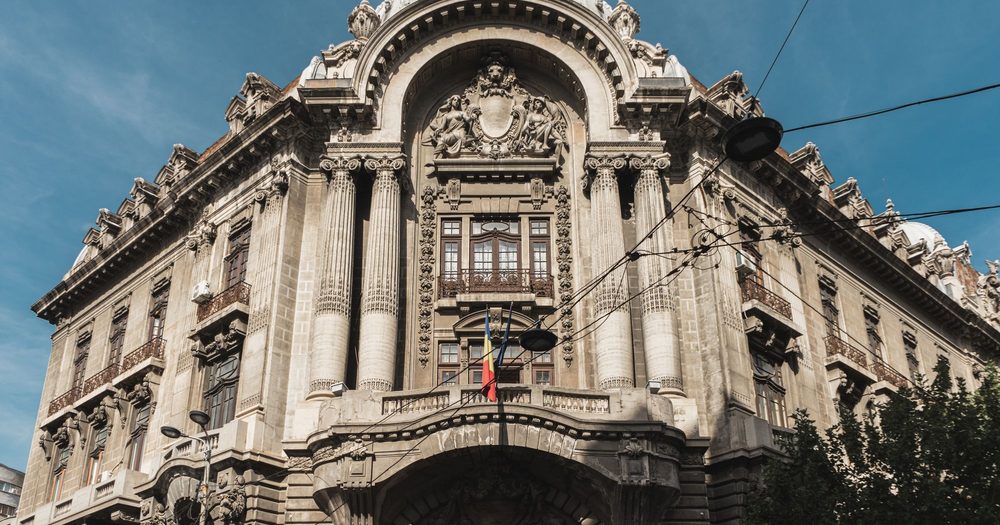
Six years of medicine, taught in English, at an EU university, for around €5,000 – €8,000 a year in fees. That's the appeal of MBBS in Romania for Indian students who want a European Union degree without Western European prices. The medical universities in Bucharest, Cluj-Napoca, Iași and Timișoara run six-year programmes in English, and Romania also has affordable degrees in engineering, IT and business.
Why Romania?
- EU degrees recognised across the European Union
- Historic medical universities that have taught international students for a long time
- Moderate fees: around €5,000 – €8,000 a year for medicine and €3,000 – €5,000 for most other degrees
- Low living costs: around €400 – €700 a month in most university cities
- Part-time work: with a residence permit you can work up to 4 hours a day
Leading medical universities
- Carol Davila University of Medicine and Pharmacy, Bucharest
- Iuliu Hațieganu University of Medicine and Pharmacy, Cluj-Napoca
- Grigore T. Popa University of Medicine and Pharmacy, Iași
- Victor Babeș University of Medicine and Pharmacy, Timișoara
Not studying medicine? Babeș-Bolyai University, the University of Bucharest and the National University of Science and Technology POLITEHNICA Bucharest are popular choices.
MBBS in Romania and NMC rules: read this first
Want to practise medicine in India after you graduate? Then the National Medical Commission's Foreign Medical Graduate Licentiate Regulations apply to you. Before you pick any university abroad, confirm:
- that you've qualified NEET
- the total course length and the internship requirement
- that the programme is taught in English
- that you'll be eligible for registration to practise in the country where you study
Several Romanian universities teach medicine as a six-year integrated programme in English. Internship and registration arrangements differ, though. Our counsellors will go through each programme against the current NMC rules with you before you apply.
The Letter of Acceptance
If you're from outside the EU, you apply to the university, and it forwards your application to Romania's Ministry of Education. The Ministry then issues a Letter of Acceptance for Studies. You'll need that letter, plus proof that your first year's tuition is paid, before you can apply for the long-stay study visa at the Embassy of Romania in New Delhi. The process takes several weeks, so apply in spring for an October start.
Costs at a glance
| Expense | Typical amount |
|---|---|
| Medicine, dentistry and pharmacy | €5,000 – €8,000 a year |
| Engineering, IT and business | €3,000 – €5,000 a year |
| Student dormitory | €50 – €150 a month |
| Total living costs | €400 – €700 a month |
One tip for medical students
You'll be taught in English. Your patients, though, will speak Romanian. Picking up the language in your first years makes clinical training much easier, and many universities run Romanian classes for international students.
Next steps
Choose the programme carefully and Romania can be a good, affordable route to an EU medical or technical degree. Book a free session with a Glocal EduGrow counsellor to compare Romanian universities, check NMC requirements and map out your Letter of Acceptance and visa timeline.
Frequently asked questions
Is MBBS in Romania good for Indian students?
Romania offers EU-recognised medical degrees at moderate fees with clinical training in university hospitals. It is a good option if the programme meets NMC rules for course length, internship and registration.
What is the total cost of MBBS in Romania for Indian students?
Tuition is roughly €5,000–€8,000 a year for six years, plus living costs of about €400–€700 a month. Budget for the Letter of Acceptance, visa, insurance and travel too.
When should I apply for MBBS in Romania for 2027?
Apply in spring 2027 for an October 2027 start, because the Ministry of Education's Letter of Acceptance and the student visa take several weeks.