Leave your passport and a backup card in your room, and carry only what you need for the day. If you remember one tip about France, make it that one. France is generally safe for international students, but petty crime is a real issue in Paris: pickpocketing, phone theft and street scams around busy landmarks, plus phishing emails aimed at newcomers. Learn the tricks and you become a much harder target.

Is France safe for international students?
Everyday life in France is generally safe, and universities have international offices to help new students settle. Violence isn't the main worry. Losing your phone, wallet or passport to someone who has practised their tricks for a long time is.
In Paris especially, pickpockets often work in pairs or groups. One distracts you, perhaps by asking for directions, while the other takes your phone or wallet. Petition scams and friendship bracelet tricks are common near major landmarks, and unlicensed taxi drivers may come up to you at busy arrival points. Online, phishing emails posing as booking sites or airlines try to steal your card details.
The tricks to know before you land
- The petition scam. Someone near a landmark asks you to sign a petition, then asks for a donation, or a partner picks your pocket while you write. Say no and keep walking.
- The friendship bracelet trick. A person ties a bracelet on your wrist, then demands money for it. Keep your hands to yourself and move away firmly.
- Distraction theft. One person asks for directions or causes a scene while another lifts your phone or wallet. Keep valuables zipped away and stay alert in crowds.
- Unlicensed taxis. A driver walks up and offers you a ride. Use official taxis or apps only.
- Phishing emails. A message that looks like it's from a booking site or airline asks you to confirm your card details. Check directly in the official app or website instead.
Safety note: Pickpockets in Paris often work in pairs or groups and use distraction, such as asking for directions or pushing a petition at you. Keep your bag zipped and in front of you, keep your passport and a backup card in your room, and walk away politely if someone gets too close.
Paris: keeping your phone, cards and passport safe
Paris is a wonderful city to study in, and with a few simple habits most students have a safe time there. The trick is to be a harder target than the person next to you.
- Carry one card and a little cash for the day. Leave a backup card and your passport in your room.
- Keep your phone out of sight in crowds, on busy transport and near major landmarks.
- Switch on your phone's screen lock and location tracking.
- Write down your bank's card-blocking number and keep it separate from your wallet.
- If something is stolen, block your cards straight away, report the theft to the police and tell your university's international office. If it's your passport that's lost or stolen, contact the Indian embassy or consulate.
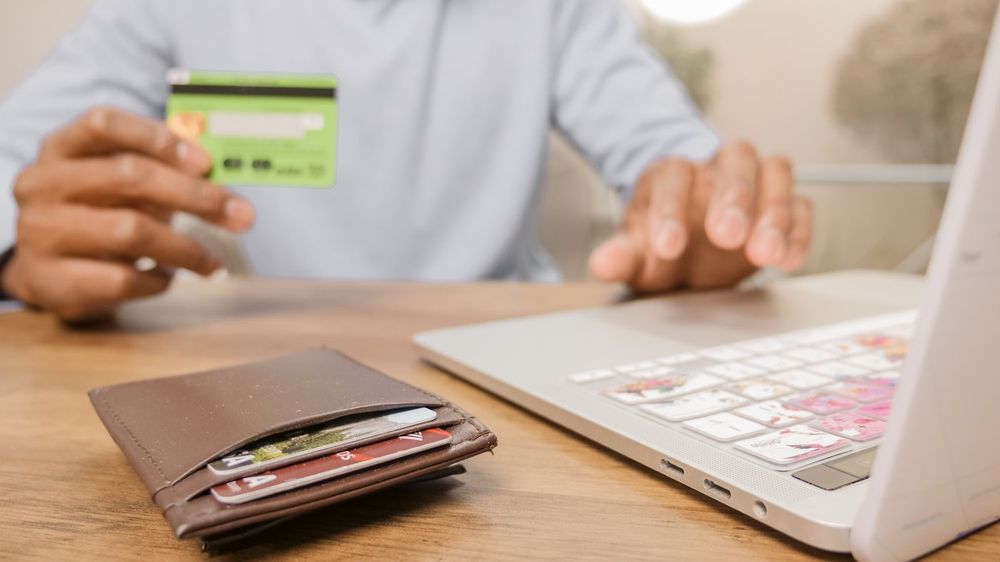
Habits worth building
- Leave your passport and a backup card in your room. Carry only what you need that day, so one theft doesn't leave you stranded.
- Live near where you study. It cuts down on late-night travel and long trips home.
- Use official taxis or apps. Book through a recognised taxi rank or a ride app, not with a driver who approaches you.
- Keep your phone and wallet in a front or inside pocket. Use a zip-up bag and wear it in front of you in crowds.
- Stay alert when strangers approach. A question about directions can be a distraction, so keep a hand on your bag.
- Read emails from booking sites and airlines carefully. Open the official app, or type the website address yourself, rather than clicking links.
- Keep copies of important documents. Store scans of your passport, visa and admission letter in a secure folder.
- Save emergency numbers. Add 112, 17, 15 and 18 to your phone before you fly.
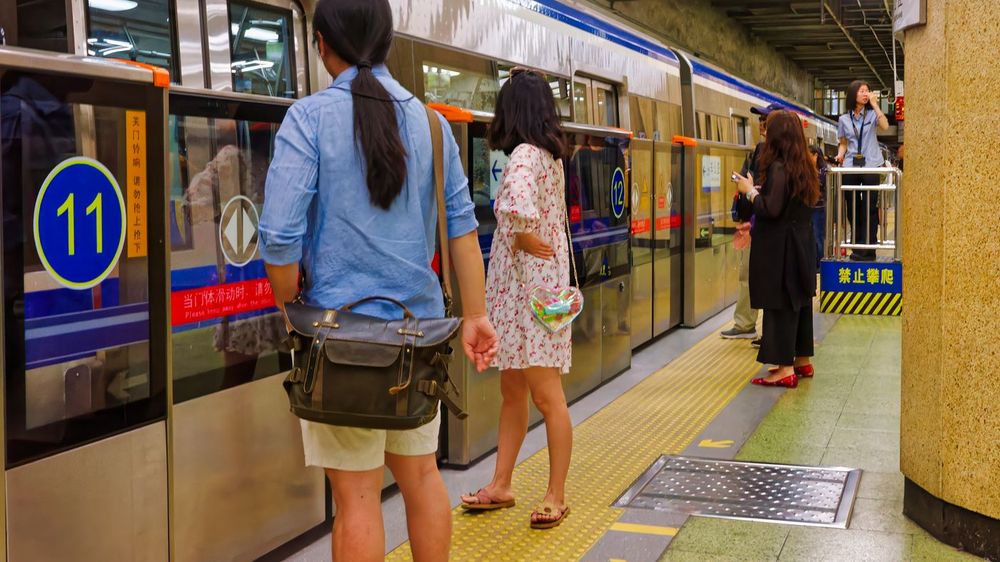
Habits to drop
- Don't sign petitions from strangers near landmarks. It's often a way to distract you or ask for money.
- Don't let anyone tie a bracelet on your wrist. The friendship bracelet trick ends in a demand for payment.
- Don't accept rides from taxi drivers who approach you. Unlicensed drivers may overcharge you or be unsafe.
- Don't leave your phone on a café table. It's easy to grab and easy to lose.
- Don't carry your passport and all your cards together. Keep a backup card at home.
- Don't click links in emails about booking or flight problems. Phishing emails often look very convincing.
- Don't let a friendly stranger distract you. Pickpockets often work in pairs or groups.
- Don't share passwords, PINs or one-time codes. No real bank, university or official will ask for them.
France's emergency numbers
| Service | Number |
|---|---|
| General emergency | 112 |
| Police | 17 |
| SAMU (medical emergency) | 15 |
| Fire | 18 |
Can't remember which one to call? 112 is the safe bet.
Before your flight
- Save 112, 17, 15 and 18 in your phone, plus your university's international office number.
- Scan your passport, visa, admission letter and insurance documents and store them securely.
- Look for housing near where you study, so you avoid late-night travel.
- Pack a zip-up bag you can wear in front of you.
- Work out how you'll get from the airport using official taxis or apps.
France has excellent universities and a rich student life to match. Look through your options on our study in France page, and read our guide to studying in Europe without IELTS. If you'd like advice on your own plan, book a free counselling session with our team.
Safety note: This guide is general information, not legal advice. Rules change, so always check your university's international office and official government websites before you act. Glocal EduGrow will never ask for your passwords, bank details or one-time codes.
Frequently asked questions
Is France safe for international students?
Yes, France is generally safe for international students. The main risk is petty crime in Paris, such as pickpocketing, phone theft and street scams, so stay alert in crowds and near major landmarks.
Is Paris safe for students?
Paris is generally safe for students who take simple precautions. Pickpockets often work in pairs or groups using distraction, so keep your bag zipped and in front of you, and keep your passport and a backup card in your room.
What are the most common scams in Paris?
Petition scams and friendship bracelet tricks near major landmarks, distraction theft by people asking for directions, unlicensed taxi drivers who approach you, and phishing emails pretending to be booking sites or airlines.
How should I travel safely around Paris?
Use official taxis or ride apps rather than drivers who approach you, keep valuables out of sight on busy transport, and choose housing near where you study to avoid late-night travel.
What are the emergency numbers in France?
Call 112 for general emergencies, 17 for the police, 15 for SAMU (medical emergencies) and 18 for the fire service.