
If your parents are nervous about Belgium, here's what you can tell them. Belgium is relatively safe for international students, and the two things to watch are fairly ordinary: pickpocketing in busy places and housing scams. Thieves work major stations, main squares and public transport looking for distracted people, and fraudulent rental ads go after students from abroad. Build a few good habits early and you're protected from both.

Is Belgium safe for international students?
It's a relatively safe country, and most students settle in without serious trouble. Universities run student services and international offices that help with housing, paperwork and everyday questions.
The risks you're most likely to meet are pickpocketing and housing fraud. Pickpockets operate in busy places like major stations, main squares and public transport. Fraudulent housing ads target international students, and they often give themselves away with unusually cheap rent, a fake profile or email address, or odd formatting. There's paperwork to get right too. You need to register at your commune soon after you arrive, because a registered address is required for your residence card and for opening a bank account.
Housing and your commune: get both right early
Your housing and your commune registration are tied together, so sort them out early.
- Begin your housing search early, and use your university's student services to check any ad that looks doubtful.
- Before you pay, get the rent, charges, notice period and house rules in writing.
- Pay by a traceable method, such as a bank transfer to an account in the landlord's name, and keep every receipt.
- As soon as you have an address, register at your commune. Non-EU citizens usually have about 8 days after arrival, but confirm the exact deadline with your commune.
- Keep your registration documents safe. You need a registered address for your residence card and to open a bank account.
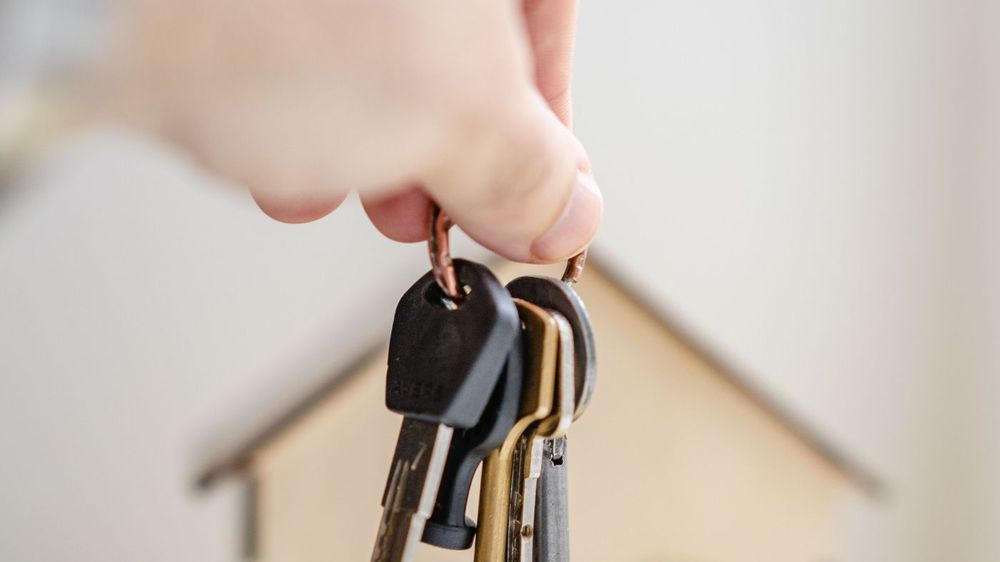
Scams and thefts to look out for
- Housing ads that seem too good. A spacious room at a very low rent. Check the ad with student services and compare it with other listings.
- The landlord you can never meet. The owner is abroad and wants a deposit before you see the room. Refuse to pay until you've had a viewing and written terms.
- Fake profiles and emails. Messages come from a profile or address that looks odd or doesn't match the listing. Verify who you're dealing with before you share documents or money.
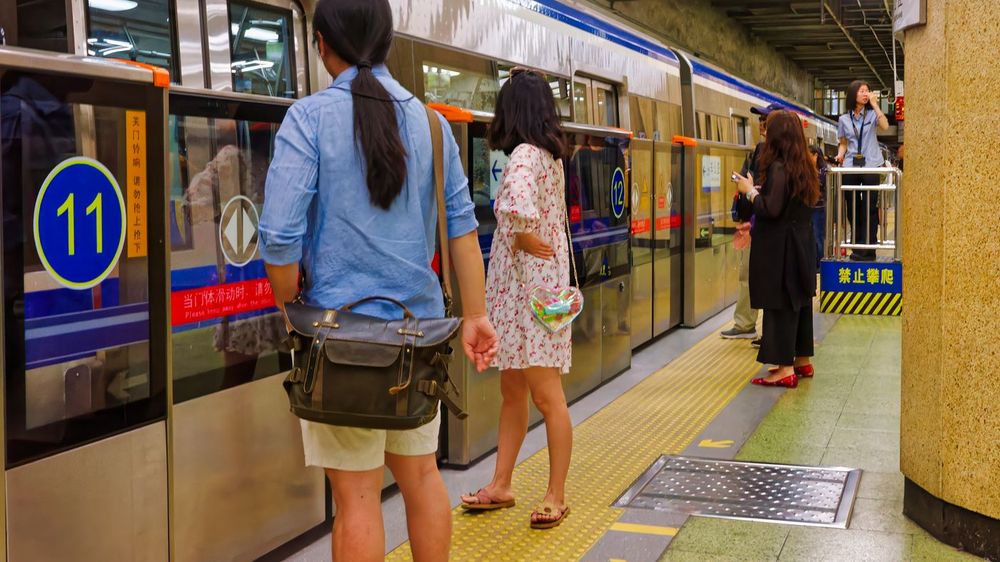
- Distraction theft. Someone bumps into you or asks a question in a busy station while another person takes your phone or wallet. Keep valuables zipped away and stay alert.
- Phishing messages. A text or email asks you to log in to your bank through a link. Open your banking app, or type the website address yourself.
Safety note: Fraudulent housing ads target international students in Belgium. Red flags include cheap rent, a fake profile or email address, and odd formatting. Check any doubtful ad with your university's student services before you pay, and report scams to the police.
Avoid these
- Don't keep your phone or wallet in a back pocket. It's the easiest spot for a pickpocket to reach.
- Don't pay for a room just because it's cheap. Unusually low rent is a common red flag.
- Don't trust a landlord whose profile or email looks fake. Odd formatting and vague details are warning signs.
- Don't rent on a verbal promise. Get the rent, charges, notice period and house rules in writing.
- Don't put off your commune registration. You need a registered address for your residence card and bank account.
- Don't leave your bag on a chair or the floor in busy places. Keep it on your lap or between your feet.
- Don't share passwords, PINs or one-time codes. No real bank, university or official will ask for them.
Do these instead
- Keep valuables close in busy places. Wear a zip-up bag in front of you at stations, on main squares and on public transport.
- Run doubtful housing ads past student services. They can tell you whether an ad looks genuine before you pay a thing.
- Get it all in writing. Your rent, charges, notice period and house rules should be written down before you sign or pay.
- Register at your commune soon after arrival. Non-EU citizens usually have about 8 days, so confirm the deadline with your commune.
- Hold on to proof of your registered address. You need it for your residence card and your bank account.
- Report scams to the police. It helps you, and it protects other students.
- Keep copies of important documents. Store scans of your passport, visa, admission letter and rental contract securely.
Numbers for emergencies
| Service | Number |
|---|---|
| Emergency | 112 |
| Police | 101 |
Save both before you fly, together with your university's international office.
The night-before checklist
- Save 112 and 101 in your phone, plus your university's international office number.
- Scan your passport, visa, admission letter and insurance documents and store them securely.
- Check any housing ad with student services before you pay a deposit.
- Find out how to register at your commune, and confirm the deadline.
- Pack a zip-up bag you can wear in front of you in busy places.
Belgium makes a friendly, central base for studying in Europe. See universities and costs on our study in Belgium page, and read our guide to studying in Europe without IELTS. When you're ready to talk through your own plan, book a free counselling session with our team.
Safety note: This guide is general information, not legal advice. Rules change, so always check your university's international office and official government websites before you act. Glocal EduGrow will never ask for your passwords, bank details or one-time codes.
Frequently asked questions
Is Belgium safe for international students?
Yes, Belgium is relatively safe for international students. The main concerns are pickpocketing in busy places such as major stations, main squares and public transport, and housing scams aimed at students.
How can I spot a housing scam in Belgium?
Red flags include unusually cheap rent, a fake profile or email address, and odd formatting. Check doubtful ads with your university's student services and report scams to the police.
When do I need to register at my commune in Belgium?
Register soon after arrival. Non-EU citizens usually have about 8 days, but confirm the exact deadline with your commune.
Why is commune registration important?
You need a registered address for your residence card and to open a bank account, so do not delay it.
What are the emergency numbers in Belgium?
Call 112 in an emergency and 101 for the police.