Snapping a stranger at a mall and posting it is something you might do without a second thought at home. In Dubai, it can lead to heavy fines, jail and deportation. That's the real answer to 'is Dubai safe for international students?' Yes, it's generally safe. But UAE laws on conduct, dress and social media are stricter than many students expect, and for most of you the bigger risk is breaking a rule by mistake. This guide sets out the do's and don'ts for the 2027 intakes.

Respect is the rule
Dubai is a modern, international city, and student life there is usually straightforward. What's different from India is the legal framework. Things that feel normal at home or online, like posting a photo of a stranger or forwarding a rumour, carry serious penalties.
You don't need to memorise a rulebook. Dress modestly, keep affection private, think before you post, and follow local customs, especially during Ramadan. And if you're ever unsure, ask your university before you act. Don't assume the rules from home apply.
Emergency numbers
| Service | Number |
|---|---|
| Police | 999 |
| Ambulance | 998 |
| Fire | 997 |
Social media and photography: where students slip up
Most students are on social media every day, and this is where many get into trouble without meaning to. So it helps to know exactly where the lines are.
- Don't post photos or videos of other people without their consent, whether it's in a mall, a classroom or at a party. Ask first.
- Don't forward rumours or unverified news, however interesting they seem. Sharing something you haven't checked can still get you into trouble, so check the facts first.
- Don't post insults or accusations about people, companies or institutions. These can count as defamation.
- Don't photograph government or military sites.
- If something worries you, report it to your university or the police instead of posting about it.
The penalties can include heavy fines, jail and deportation. A few seconds of thought before you hit post is always worth it.
Safety note: In Dubai, social media is where many students get into trouble without meaning to. Defamation, spreading rumours and posting photos of people without their consent can lead to heavy fines, jail and deportation. If something has upset you, don't post about it. Talk to your university instead.
Dress, affection and manners in public
Covering your shoulders and knees is advised in public places, in government buildings and on campus. Pack with that in mind.
Public displays of affection are prohibited under university codes of conduct, so read yours before your first day. It sets out rules like this one clearly.
Language matters as well. Don't swear or make rude gestures in public, even when you're frustrated. Stay calm and polite in disagreements, on the street, in traffic and online.
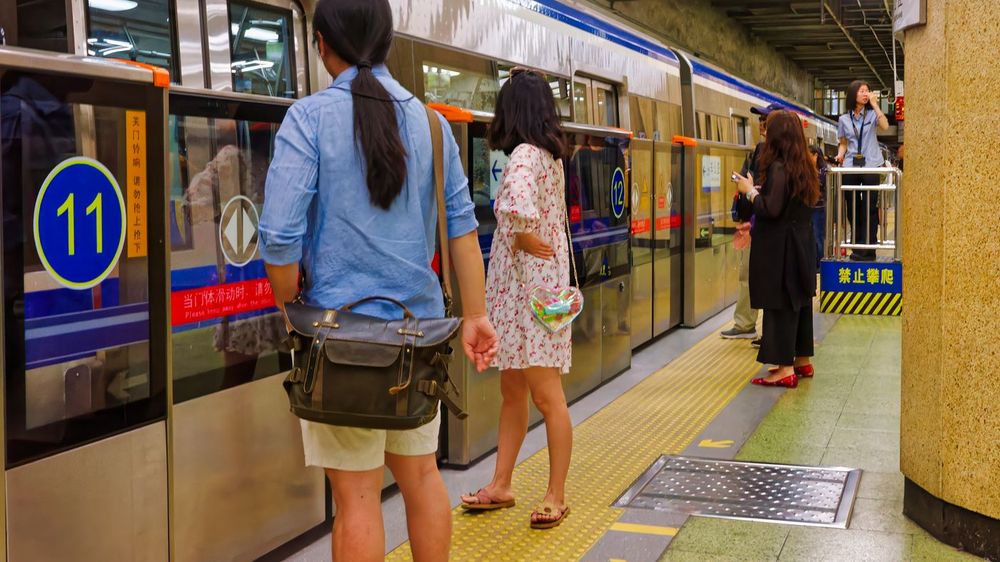
Ramadan
During Ramadan, don't eat, drink or smoke in public in the daytime. Check when it falls in your first year so it doesn't catch you off guard.
Common scams targeting students in Dubai
Every big city has scams, and new students are easy targets because they're busy and don't yet know how local systems work. Look out for these.
- Fake job offers. An 'employer' promises a job if you first pay a fee for paperwork or training. Genuine employers don't usually charge you to hire you. Before you accept any work, check with your university what your visa allows.
- Fake rental listings. A flat looks cheap, and the 'owner' wants a deposit before you've seen it. Use housing your university recommends, and don't pay until you've confirmed the property is real.
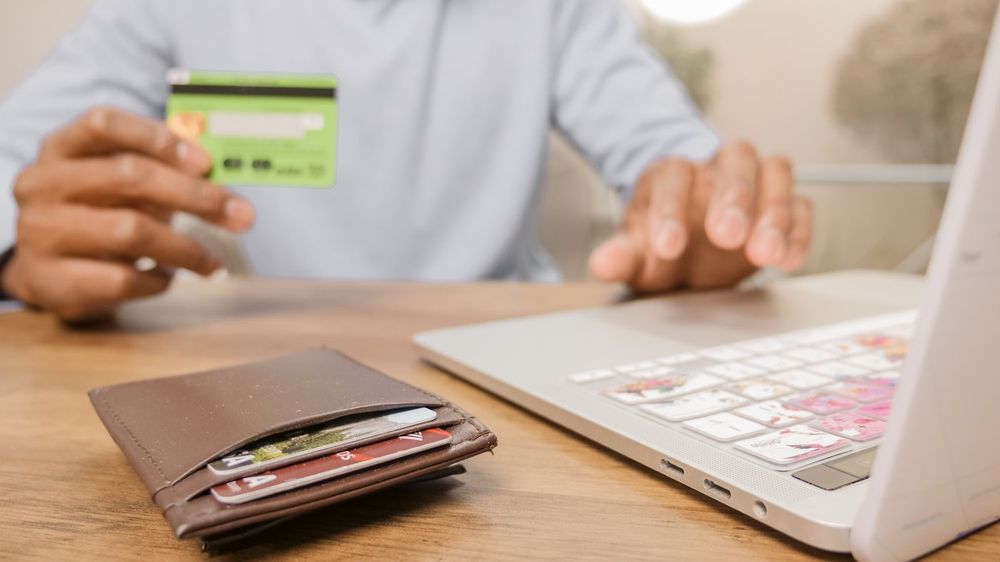
- Phishing messages. Texts or emails pose as your bank, a delivery company or an official office, and ask you to click a link or share a code. Don't click. Go to the organisation's official website and contact them that way.
- Requests for documents or passwords. Someone asks for a copy of your passport, your banking login or a one-time code. Never share these with anyone who contacts you out of the blue.
Keep copies of your passport, visa and university ID somewhere secure, both online and on paper.
Before you fly: a quick checklist
- Save 999, 998 and 997 in your phone.
- Pack modest clothing that covers your shoulders and knees.
- Read your university's code of conduct before your first day.
- Find out when Ramadan falls during your first year of study.
- Take an honest look at your social media habits, especially posting photos of other people.
- Keep copies of your passport, visa and admission letter.
Respect local laws and customs, and Dubai can be a welcoming place to study. Read more about how to study in Dubai, work out your costs with our budget planning guide, or book a free counselling session if you'd like help with your 2027 intake.
Safety note: This guide is general information, not legal advice. Rules change, so always check with your university's international office and official government websites before you act. Glocal EduGrow will never ask for your passwords, bank details or one-time codes.
Frequently asked questions
Is Dubai safe for international students?
Yes, Dubai is generally safe for international students. The main risk is breaking UAE laws on conduct, dress and social media by mistake, so learn the rules before you arrive.
What is the dress code for students in Dubai?
Dress modestly in public places, government buildings and on campus. Covering your shoulders and knees is advised.
What are the social media laws in Dubai?
Defamation, spreading rumours and posting photos of people without their consent can lead to heavy fines, jail and deportation. Think before you post or share anything.
Can couples show affection in public in Dubai?
No. Public displays of affection are prohibited under university codes of conduct, so keep affection private.
What should students know about Ramadan in Dubai?
Be respectful during Ramadan. Do not eat, drink or smoke in public during the daytime.