Banks are paying out again. A run of data breaches has pushed compensation back into the news, and if you're an Indian student in the USA with a Social Security number (SSN), or you're about to get one for an on-campus job or OPT, this matters to you. Below is how to protect your social security number before anything goes wrong, and what to do if your bank writes to say it has already leaked.
Safety note: Never share your SSN by phone, text, email or social media with someone who contacted you first. No genuine government office or bank will pressure you to read it out on an unexpected call.
What the recent bank breach headlines say
These are the stories from the last few weeks, quoted as the headlines ran them:
- "Citizens Bank data breach exposes SSNs in second 2026 incident" (Cybernews). Citizens says it found an incident on 10 September 2026 that involved customers' names, Social Security numbers, dates of birth, phone numbers and email addresses. It reported the breach to the California and Texas attorneys general in October, and it's giving affected customers two years of free credit monitoring and identity protection. A class action has been filed since.
- "Lloyds IT Glitch Exposed Data of Nearly 500,000 Banking Customers" (Infosecurity Magazine). This one was in the UK. A software defect let some app users see other customers' transactions and account details. Lloyds paid £139,000 in compensation to 3,625 customers for distress and inconvenience, and said it had found no evidence of financial loss or fraud.
- "Bank data breach victims step up calls for compensation" (The Korea Times). Banks in South Korea have promised full compensation to customers whose losses, voice-phishing losses included, turn out to come directly from the leaks.
- Ernst & Young and Bank of America MOVEit settlement. This $2.5 million settlement covered the 2023 MOVEit file-transfer incident. Class members could claim $100 or reimbursement of documented losses. The claim deadline was 8 October 2026, so it's closed now.
So what's the lesson? Your data can escape through a bank, a vendor or a piece of software you've never heard of. Compensation is welcome. But it's much better to lock things down before you need it.
Why your SSN is worth protecting
Your SSN is the key to your financial identity in the USA. With your SSN, name and date of birth, a fraudster may try to open credit cards or loans in your name, file a fake tax return to grab your refund, or use your number to get a job. International students make attractive targets. Many are new to the US system, and plenty don't look at their credit until the damage is done.
On an F-1 visa you'll usually get an SSN only once you have permission to work, say for an on-campus job, CPT or OPT. Many banks will open an account for international students with a passport, visa and I-20, so hand over your SSN only where it's genuinely needed.
10 steps to protect your SSN
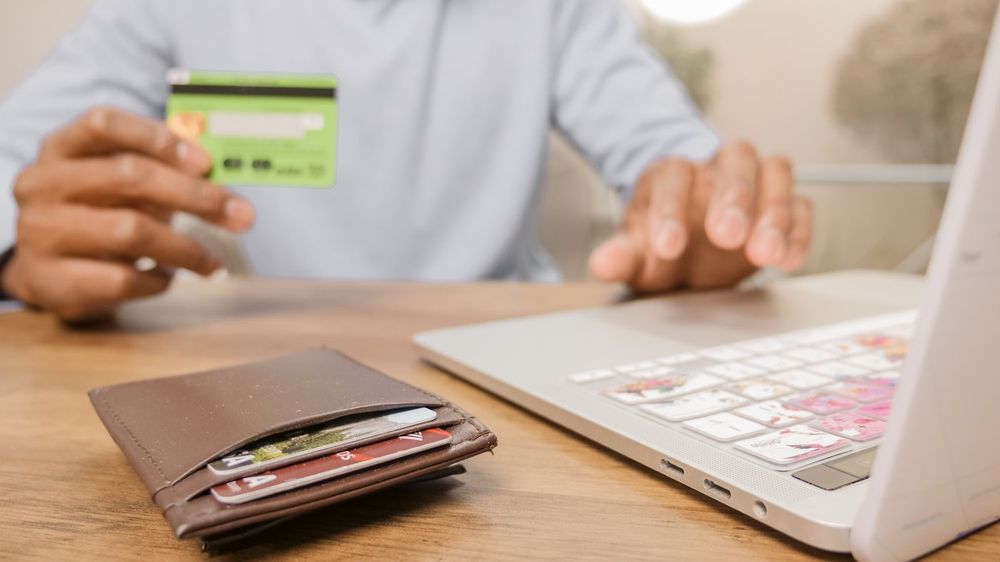
- Keep the card at home. Store your Social Security card with your passport and I-20 somewhere safe. Once your employer has seen it, you'll rarely need the physical card again.
- Give the number out only when you have to. Your employer (for payroll and tax forms), your bank and the tax authorities may need it. Anyone else who asks should tell you why, how they'll store it and whether another ID would work instead.
- Freeze your credit at all three bureaus. A credit freeze at Equifax, Experian and TransUnion stops anyone opening new credit in your name. It costs nothing, it doesn't touch your credit score, and you can lift it for a while when you apply for a card or a lease.
- Get an IRS Identity Protection PIN. An IP PIN is a free six-digit code from IRS.gov. It stops anyone else filing a tax return with your SSN or ITIN.
- Set up your my Social Security account. Do it at ssa.gov/myaccount before a scammer does, and look over your earnings record every year for work you don't recognise.
- Lock your SSN in E-Verify. The free myE-Verify Self Lock helps stop someone using your SSN to get a job through E-Verify. Just remember to lift the lock before you start a new job.
- Use strong, unique passwords and two-factor authentication on your bank, email, university portal and phone carrier. A password manager does most of the work for you.
- Check your credit reports often at AnnualCreditReport.com, the free official site. And read every bank and card statement.
- Shred anything that shows your SSN before it goes in the bin: old pay slips, tax forms, offer letters.
- Take care on public Wi-Fi. Don't bank or fill in forms with your SSN on open campus or café networks unless you're on a trusted VPN.

Scam calls that target students
Universities warn international students about this all the time. The caller claims to be from the Social Security Administration, the IRS, USCIS, ICE, the police or the Indian embassy. They tell you your SSN has been "suspended", or that something is wrong with your visa, or that you'll be arrested or deported unless you pay right now.
Safety note: Government agencies will never threaten you with arrest or deportation over the phone, and will never ask you to pay with gift cards, cryptocurrency, wire transfers or cash. Hang up, then call the agency's official number from its website, or speak to your university's international student office (DSO).
Here's the giveaway: Social Security numbers are never "suspended". The FTC calls this a government imposter scam, and its aim is to get your SSN, your bank details or your money.
Other red flags are caller ID that looks official, being told to keep the call secret from friends or family, and being asked to read out a code sent to your phone.
Signs someone is using your SSN
Keep an eye out for:
- Bank or card transactions you don't recognise
- Debt collectors calling or writing about debts that aren't yours
- A sudden fall in your credit score, or new accounts on your credit report
- A rejected tax return, because someone has already filed one with your SSN
- Earnings on your Social Security record from a job you never had
Spot any of these? Act at once, using the steps below.
If your bank says your SSN was exposed
- Read the notice closely and make sure it's real. Contact your bank on the number from its website or your card, not the one printed in the letter or email.
- Sign up for any free credit monitoring the bank offers, like the two years Citizens Bank is providing.
- Freeze your credit at all three bureaus if you haven't done it yet. Monitoring tells you after something has happened; a freeze helps stop it happening.
- Change your passwords and switch on two-factor authentication, starting with your bank and email.
- Look out for a settlement. If a class action settles, you may be able to claim compensation. Use only the official settlement website named in your notice, because fake claim sites are common.
- Report identity theft at IdentityTheft.gov and you'll get a recovery plan. If someone has filed a tax return with your SSN, the IRS has an Identity Theft Affidavit (Form 14039).

A short checklist for new students in the USA
| When | What to do |
|---|---|
| When you get your SSN | Store the card safely, create your my Social Security account |
| Your first week of work | Check your pay slips and tax forms show the right details |
| Once you have a US credit file | Freeze your credit at Equifax, Experian and TransUnion |
| Every tax season | Use your IRS IP PIN when you file |
| Every few months | Check your credit reports and bank statements |
Still planning the move? Work through our December 2026 study-abroad checklist, look up costs and intakes on our USA page, and read what the US midterm results mean for student visas.
Safety note: Glocal EduGrow will never ask for your SSN, bank passwords or one-time codes. This guide is general information, not legal or financial advice. If you think your identity has been stolen, contact your bank, IdentityTheft.gov and your university's international student office straight away.
Frequently asked questions
How do I protect my Social Security number?
Keep your card at home, share the number only when legally required, freeze your credit at Equifax, Experian and TransUnion, get an IRS Identity Protection PIN, create your my Social Security account, and never give your SSN to someone who contacts you first.
Can I freeze my SSN?
Not the number itself. You can freeze your credit at the three credit bureaus for free, lock your SSN in E-Verify with myE-Verify Self Lock, and get an IRS IP PIN to block fake tax returns.
What should I do if my bank says my SSN was exposed in a data breach?
Confirm the notice through your bank's official number, enrol in any free credit monitoring offered, freeze your credit, change your passwords, watch for an official settlement, and report any misuse at IdentityTheft.gov.
Do international students in the USA get an SSN?
F-1 students usually get an SSN only when they are authorised to work, such as for an on-campus job, CPT or OPT. Many banks let international students open accounts with a passport, visa and I-20.
Will the SSA or IRS ever call and threaten me?
No. Government agencies will not threaten arrest or deportation by phone or ask for payment by gift card, cryptocurrency or wire transfer. Hang up and call the official number from the agency's website.
What should I do if someone has my Social Security number?
Freeze your credit at Equifax, Experian and TransUnion, change your passwords, get an IRS Identity Protection PIN, lock your SSN with myE-Verify Self Lock, and report identity theft at IdentityTheft.gov for a recovery plan.
How do I lock my Social Security number?
Create a free myE-Verify account and use Self Lock to stop your SSN being used to confirm a job through E-Verify, freeze your credit at all three bureaus, and get an IRS IP PIN to block fake tax returns.
How do I know if someone is using my SSN?
Warning signs include unfamiliar transactions, debt collectors contacting you, a sudden drop in your credit score, a rejected tax return, or earnings on your Social Security record from a job you never had. Check your credit reports and my Social Security account regularly.
Can my Social Security number be suspended?
No. Social Security numbers are never suspended. Calls saying your SSN is suspended are a government imposter scam. Hang up and do not share any information.
Can I get a new Social Security number after a data breach?
Only in limited cases. The Social Security Administration may assign a new number if you can show ongoing harm from misuse after trying other remedies. For most people, a credit freeze, an IRS IP PIN and monitoring are the right steps.