
Learn this rule before you pack: your SSN is never 'suspended', and a caller from a government agency who wants payment by gift card is a scammer. Hold on to that and you've already beaten two classic tricks. As for the big question, the USA is generally safe for international students. The risk you're most likely to face comes through your phone and inbox, with fake government calls, fake fees and fake rental listings aimed at F-1 students. Knowing how these tricks work is your best protection.

The short answer, and where the real risk sits
Thousands of Indian students go to the USA every year, and most of them have a safe, positive time. Campuses usually run their own police or security teams. Your international office is there for the moments when something feels off. And the everyday rules are the ones you'd follow anywhere: use common sense at night, lock your room, watch your belongings.
Fraud is what catches people out. Scammers know you're new, far from home and anxious about your visa status. They also know you don't yet understand how American agencies behave. So they use fear to hurry you into paying. Once you know that real agencies simply don't act this way, the scams get much easier to spot.
Five scams aimed at students in the USA
- The fake government call. Someone says they're from the SSA, IRS, USCIS, ICE or the police. There's a problem with your visa or your taxes, they claim, and you could be arrested. Hang up and check with your DSO.
- The 'international student tax' or 'visa fee'. The caller wants payment by wire or gift card. Don't pay. Tell your international office and report it to the FTC.
- The fake rental listing. The apartment is cheap, the landlord can't meet you, and the deposit is urgent. Stick to university-recommended housing, and never pay until you're sure the listing is real.
- The scholarship or job with a fee. It looks generous, but there's an upfront charge. Walk away, and ask your international office.
- The fake Form AR-11 request. You're told you're in trouble for not filing, or someone offers to file it for a fee. F-1 students report address changes through the DSO, who updates SEVIS.
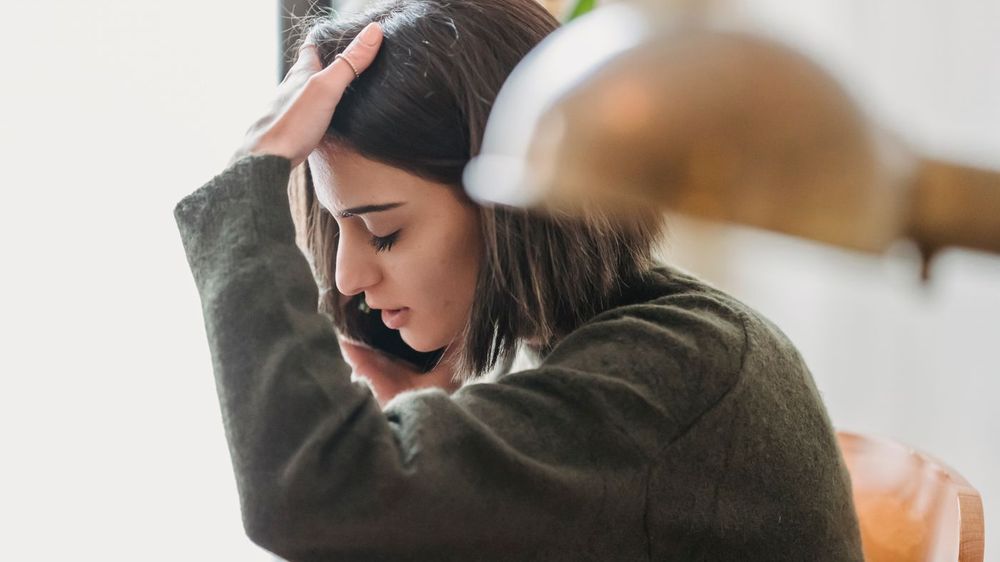
Safety note: If a caller claiming to be from the SSA, IRS, USCIS, ICE or the police threatens you with arrest or deportation and demands payment by wire transfer or gift card, it is a scam. Hang up, do not pay, and speak to your DSO and campus police.
When a call or message feels wrong
You don't need to memorise every scam. A short routine covers most of them.
- Stop. Give no information and pay nothing while you're on the call.
- Hang up. Ending a call won't get you into trouble.
- Check. Contact your DSO, or look up the agency's official contact details on its website and reach out yourself.
- Report. Tell campus police and your international office, then report the scam at reportfraud.ftc.gov.
- Protect. If you've shared your SSN or bank details, tell your bank straight away and ask your international office what to do next.
Habits that keep you safe
- Hang up on anyone who threatens you. Arrest, deportation, immigration trouble: if a caller raises any of it, end the call. You can contact the agency yourself using details from its official website.
- Tell your DSO and campus police about suspicious calls. Your Designated School Official (DSO) at the international office can tell you whether a message about your status is genuine.
- Change your address through your school. F-1 students report address changes through their school's international office or DSO, who updates SEVIS. If anyone asks you to file Form AR-11, check with your DSO first.
- Look for housing through your university first. Begin with the housing office and its recommended options before you touch random listings.
- Report fraud to the FTC. Use reportfraud.ftc.gov, and read the USCIS Avoid Scams page so you recognise the usual tricks.
- Guard your Social Security number (SSN). Share it only when there's a genuine need, and keep the card somewhere safe.
- Keep copies of your documents. Store scans of your passport, visa and I-20 securely, so you can act fast if something goes missing.
And the things to avoid
- Don't pay by wire transfer or gift card because someone says you owe an 'international student tax' or a 'visa fee'. It's a known scam.
- Don't believe your SSN has been 'suspended'. The FTC says SSNs are never suspended. Anyone telling you otherwise is a scammer.
- Don't send a rental deposit for a place you haven't checked. Fake listings want money before you can confirm the property or the landlord.
- Don't pay a fee for a scholarship or a job offer. Fee-based offers are a common student scam.
- Don't pay anyone to file Form AR-11 for you. Fake AR-11 requests are a scam, and your DSO handles address updates in SEVIS.
- Don't share passwords, bank details or one-time codes with anyone who calls, texts or emails you.
- Don't stay on the line under pressure. Scammers keep you talking so you can't ask anyone for advice.
- Don't walk alone late at night on routes you don't know. Keep to well-lit, busy streets, and go with friends when you can.
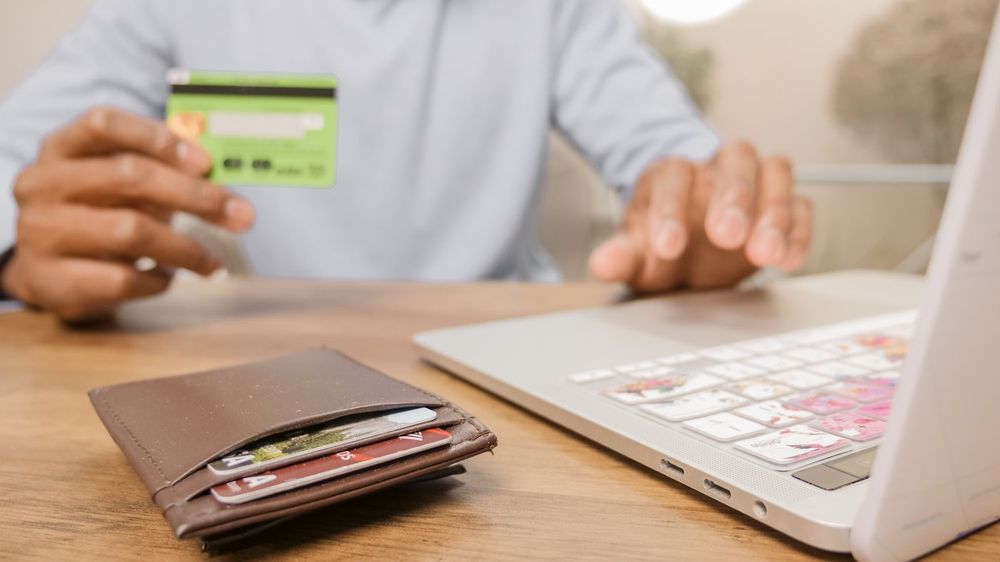
The number to save first
| Service | Number |
|---|---|
| Police, fire and ambulance | 911 |
Add your campus police and international office numbers as soon as you arrive.
Your pre-departure list
- Save 911, your campus police number and your DSO's contact details in your phone.
- Keep digital copies of your passport, visa, I-20 and admission letter somewhere secure.
- Read your university's housing guidance before you sign or pay for anything.
- Bookmark reportfraud.ftc.gov and the USCIS Avoid Scams page.
- Warn your family about common scam calls, so they don't get caught out either.
Once you know the scammers' playbook, the USA is a safe and rewarding place to study. Next, read our guide on how to protect your SSN from cyber attacks and bank breaches, and see how the 2026 US midterm elections may affect student visas. Our study in the USA page has the bigger picture, and you can book a free counselling session whenever you want to plan your move with one of us.
Safety note: This guide is general information, not legal advice. Rules change, so always check with your university's international office and official government websites before you act. Glocal EduGrow will never ask for your passwords, bank details or one-time codes.
Frequently asked questions
Is the USA safe for Indian students?
Yes, the USA is generally safe for international students, including Indian students. The most common risk is scams by phone and email, such as fake government calls and fake rental listings, so learn the warning signs before you travel.
What should I do if someone calls saying they are from USCIS, ICE or the IRS?
Hang up and do not pay or share any details. Contact your DSO at the international office and campus police, and report the call to the FTC at reportfraud.ftc.gov. The USCIS Avoid Scams page explains common tricks.
Can my Social Security number be suspended?
No. The FTC says SSNs are never suspended. A caller who says your SSN has been suspended is a scammer, so end the call.
Do F-1 students need to file Form AR-11 when they move?
F-1 students report address changes through their school's international office or DSO, who updates SEVIS. Fake requests to file Form AR-11 are a known scam, so check with your DSO and never pay anyone to file it for you.
What is the emergency number in the USA?
Call 911 for police, fire or ambulance. Also save your campus police number and your international office's contact details when you arrive.