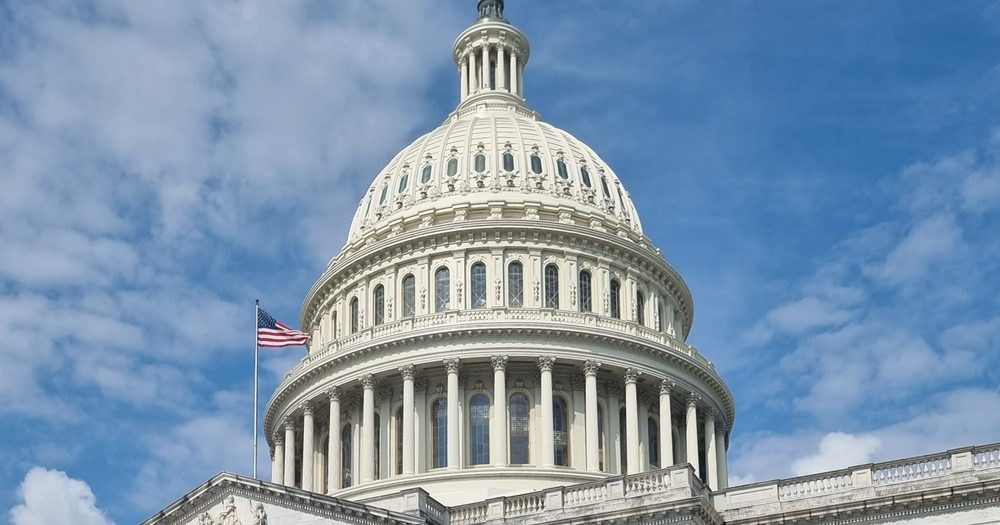
Democrats are projected to take both chambers of Congress after the vote on November 3, 2026. For anyone planning a US degree, the obvious next thought is what the US midterm elections 2026 mean for international students: easier admissions, different visa rules, more or less post-study work.
It's a fair worry for the thousands of students and families weighing up the United States for higher education. Power in Washington has shifted, and people are now watching what that could mean for immigration, international education and jobs.
But keep one thing clear from the start: a political shift does not automatically translate into a change in immigration policy.
Below we set out what has changed, what's still uncertain and what you should think about before you commit to the 2027 academic intake.
What the 2026 midterms actually were
Presidential elections happen every four years. Midterms fall halfway through a President's term.
Americans vote for all 435 members of the House of Representatives and approximately one-third of the Senate. The result sets the balance of power in Congress.
This time, the November 2026 elections produced projected Democratic majorities in both chambers. That's a new political dynamic for the rest of President Donald Trump's term.
Why should a student care? Because the President leads the executive branch, but Congress has a big say in legislation, federal funding and government oversight.
So the outcome could shape the debate on immigration, even though the President keeps significant executive authority.
Could student visa rules change?
The F-1 student visa is still the main route for international students coming to study in the United States.
Several government agencies have a hand in the policies that affect you, including the Department of Homeland Security and the Department of State.
A Democrat-controlled Congress could look harder at restrictive immigration measures and push for more transparency in how visas are handled.
What it can't do is guarantee easier visa approvals on its own, or reverse every executive policy.
What students should understand: The election results themselves do not change F-1 visa eligibility, interview requirements or approval standards.
Keep preparing your application under the rules that apply when you file.
OPT and working after your degree
For students who want professional experience after graduation, Optional Practical Training (OPT) is one of the biggest factors in the decision.
Under the established OPT framework, eligible F-1 students can apply for up to 12 months of practical training. Qualifying STEM graduates may be eligible for a further 24-month extension.
It matters most in technology, engineering, business analytics and other fields where students study with a job in mind.
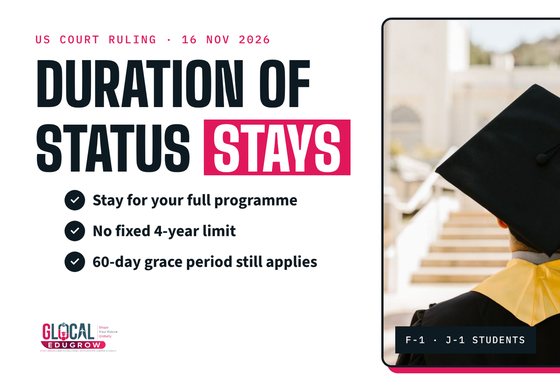
Recent regulatory developments have raised questions about student status, administrative requirements and practical training. The new balance in Congress could open more room for legislative debate and oversight of those policies.
Still, what happens to OPT will come down to the regulatory framework in force, any new legislation and relevant court decisions.
For students: OPT should be viewed as a potential career opportunity subject to eligibility and approval, not a guaranteed employment outcome.
Will H-1B get easier?
The H-1B visa lets qualifying US employers sponsor foreign professionals for certain specialty occupations. For many international graduates, it's a possible bridge from study to longer-term work.
The midterm results could feed into debates on skilled immigration, employer sponsorship and what international talent adds to the American economy.
None of that changes the H-1B system automatically. The President still holds a veto over legislation, and executive agencies still run immigration programmes under the law as it stands.
So learn to tell a political proposal apart from a change that has actually been made law.
What it means if you're an Indian student
Choosing the United States is about much more than getting admitted.
Tuition fees, living costs, scholarships, job prospects and immigration rules all decide what an international degree is really worth to you.
If you're looking at the 2027 intake, we usually suggest you focus on three questions:
- Academic value: Do the university and programme support your long-term professional goals?
- Financial sustainability: Can you afford it even if finding a job after graduation takes longer than you hoped? (Our guide to the cost of studying abroad for Indian students helps you work this out.)
- Immigration preparedness: Do you understand the visa conditions, work authorisation requirements and possible policy changes?
Look closely at the university's career services, employer networks and industry partnerships too.
A good decision should still hold up when the politics shift.
Could America become more welcoming?
International students add to American universities, research institutions, local economies and the wider skilled workforce.
Immigration, though, is still a fiercely contested issue. Border enforcement, national security, employment policy and economic priorities all pull on it.
The incoming balance in Congress may bring more debate on international education and immigration restrictions. Whether that turns into real change for students depends on Congress and the administration working together, on regulatory decisions and on the courts.
The next few months will show which way US policy on international education is heading in practice.
Fall 2027 and beyond
Here's the short version. Do not confuse political developments with confirmed visa policy changes.
The United States still offers established universities, research opportunities and access to a major global job market. But go in with realistic money expectations and a clear grasp of the immigration rules.
Applying for fall 2027? Many US master's deadlines fall between December 2026 and February 2027. Our guide to study abroad intakes for 2027 lists them, and we've also written on how to write an SOP for MS in USA.
Our view at Glocal EduGrow is simple. Base your decision on accurate information, how well the course suits you and your long-term career plan, not on political guesswork. We'll keep following developments that could affect students and their families.
So don't just ask whether studying in America will get easier after the midterms. Ask how you can make a well-informed choice while the policy picture is still moving.
Thinking about the USA for 2027?
Talk to us about university selection, admissions, scholarships, student visa preparation and long-term academic planning. Book a free counselling session.
Disclaimer: This article provides general educational information and political analysis, not legal or immigration advice. Visa regulations and eligibility requirements should be verified with official US government sources.
Frequently asked questions
Do the 2026 US midterm election results change F-1 student visa rules?
No. The election results by themselves do not change F-1 visa eligibility, interview requirements or approval standards. Students should prepare applications under the rules that apply when they file.
Will OPT continue for international students after the midterms?
OPT currently allows up to 12 months of practical training, with a possible 24-month extension for eligible STEM graduates. Its future depends on regulations, legislation and court decisions, so treat it as an opportunity subject to eligibility rather than a guarantee.
Will H-1B visas become easier with a Democratic Congress?
Not automatically. Congress can debate and propose changes to skilled immigration, but the President retains veto power and executive agencies administer the H-1B programme under current law.
Should Indian students still apply to US universities for fall 2027?
Yes, if the programme fits your academic and career goals and is affordable even if post-study employment takes longer than expected. Base decisions on confirmed rules, not political speculation.