One of the first things on your Finland shopping list should be a safety reflector. It's commonly recommended there, because it helps drivers and cyclists see you in the dark, and that small detail says a lot about the answer to 'is Finland safe for international students?' Yes, it's generally safe. The main risks come from winter: icy pavements, long dark days, severe cold and frozen lakes. The other one is housing scams that ask for a deposit before you've seen a flat. Here's what to do, and what to avoid, for the 2027 intakes.
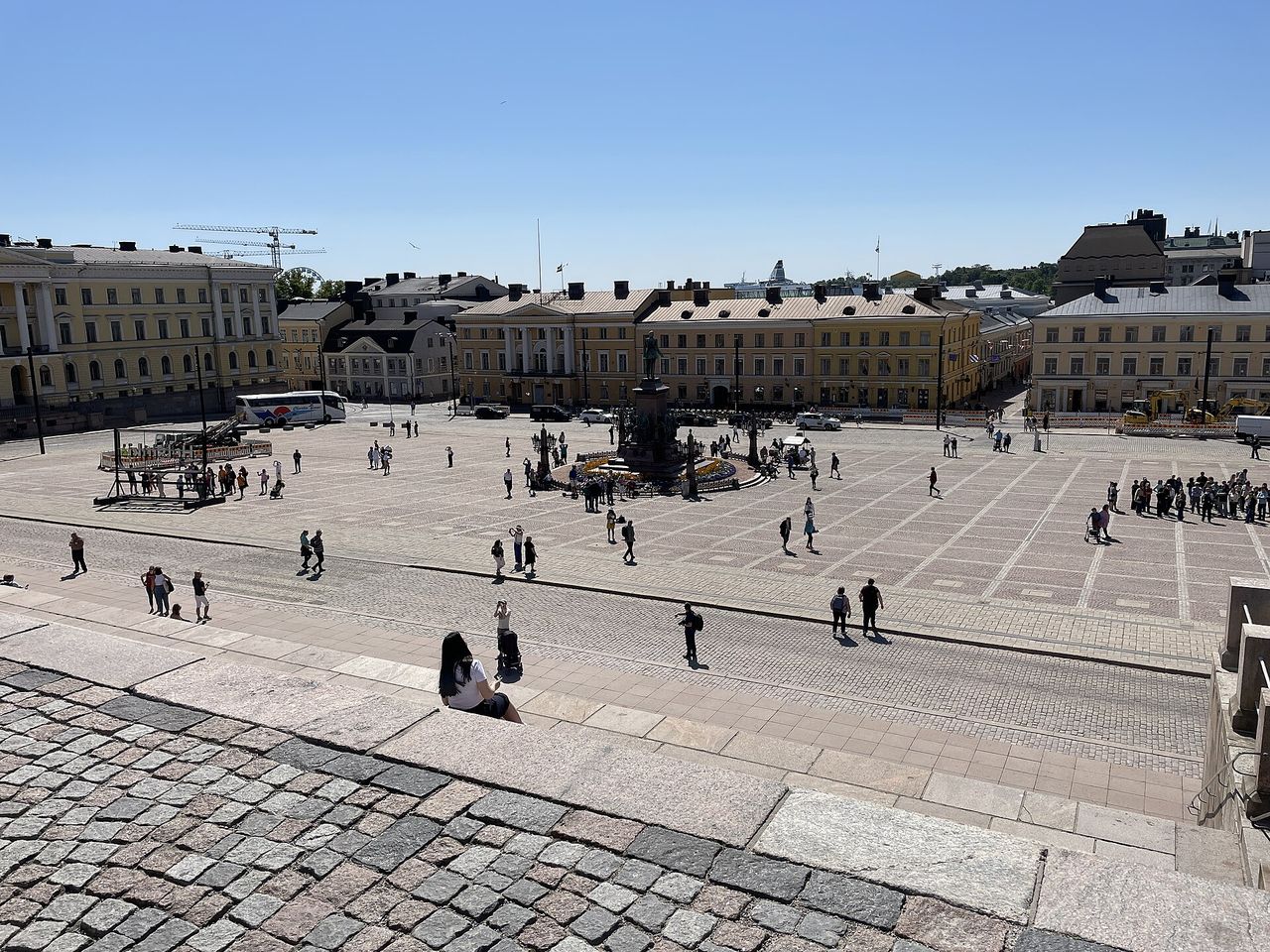
Winter is the main challenge
For most students, the climate is the hardest part of life in Finland. Winter brings black ice, severe cold and very short days. Get the right clothing and a few simple habits in place, though, and you'll stay safe. You might even enjoy the season.
Finnish winters are long, so plan for each hazard before it arrives. Ice, darkness, cold, frozen lakes and low mood each need a slightly different habit, and none of them is hard once you know what to do.
Emergency number
| Service | Number |
|---|---|
| Emergency services (police, fire, ambulance) | 112 |
Ice underfoot
Icy pavements and black ice are a real winter hazard, and black ice is hard to see. Wear boots with good grip, walk carefully on slippery pavements, and leave smooth-soled shoes at home on icy days.
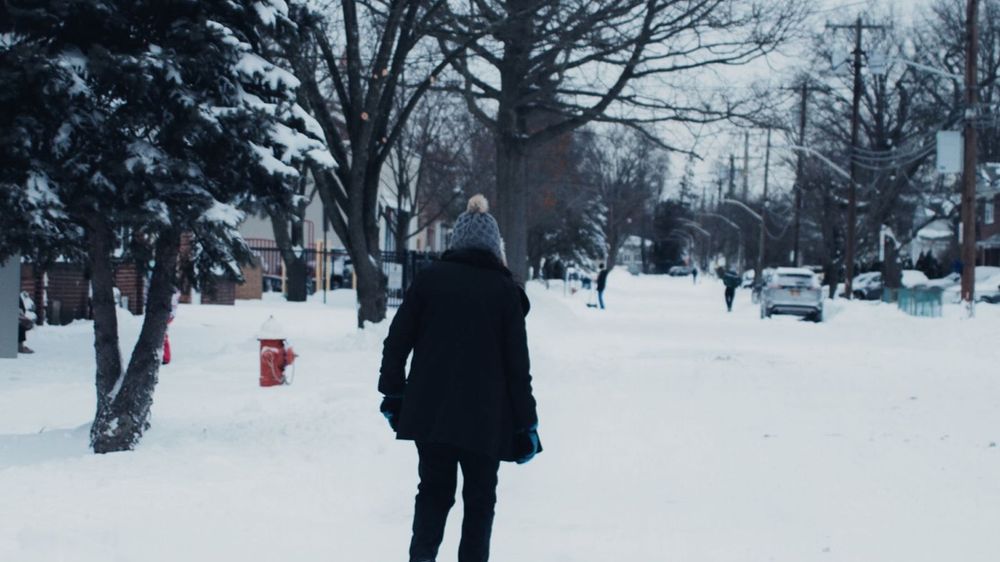
Darkness and being seen
Days get very short. Wear your safety reflector whenever you're out in the dark, and carry a headlamp. It helps you see the path and helps others see you.
Cold
Dress in layers, and always protect your head and hands. Don't underdress just because it's a short trip. Severe cold can be dangerous even on a quick walk.
Frozen lakes
Ice is most dangerous when it has just formed and in spring. Don't walk on frozen lakes at those times, and if you're unsure, stay off.
Your mood in the dark months
Winter darkness can affect your mood and energy. That's normal, and it affects many people. Get outside in daylight hours when you can, and consider vitamin D; student health services can advise you. If you feel low or tired for a long time, don't ignore it. Contact your student health service, such as YTHS. Support is there.
When you arrive, ask your international office or student union for local winter advice. Students who've already lived through a Finnish winter are often happy to share tips too.
Housing scams: the one to watch
Safety note: The most common scam for new students in Finland is a fake rental listing. A 'landlord' posts an attractive flat, may say they're abroad, and asks for a deposit before any viewing. Never pay a deposit before viewing in person or through a verified video tour.
Winter isn't the only thing to prepare for. Housing scams tend to catch students who are still searching from abroad, so be careful from the very first listing you look at. Don't share bank details or ID copies with a landlord you haven't verified.
Common scams targeting students in Finland
- Fake rental listings. The flat looks cheap and well located, but the 'owner' can't show it and wants money first. Insist on an in-person viewing or a verified video tour before you pay anything.
- Pressure to pay quickly. The scammer says lots of other students want the flat and you must pay today. Genuine landlords give you time to check. Slow down, and ask your university's housing or international office if you're unsure.
- Phishing messages. Texts or emails pose as your bank, a delivery company or an official office and ask you to click a link or share a code. Don't click. Contact the organisation through its official website.
- Fake job offers. An 'employer' offers easy, well-paid work if you first pay a fee or share your bank details. Genuine employers don't usually charge you to hire you.
Before you fly: a quick checklist
- Save 112 in your phone.
- Plan to get boots with grip, warm layers, gloves and a hat.
- Buy a safety reflector and a headlamp.
- Arrange housing through verified channels, and never pay before a viewing.
- Find out how to access student health services such as YTHS.
- Keep copies of your passport, residence permit documents and admission letter.
Be ready for winter and Finland is a calm, rewarding place to study. Read more about how to study in Finland, look at options to study in Europe without IELTS, or book a free counselling session to plan your 2027 intake with us.
Safety note: This guide is general information, not legal advice. Rules change, so always check with your university's international office and official government websites before you act. Glocal EduGrow will never ask for your passwords, bank details or one-time codes.
Frequently asked questions
Is Finland safe for international students?
Yes, Finland is generally safe for international students. The main risks come from winter, such as icy pavements, darkness, severe cold and frozen lakes, plus housing scams.
How do I stay safe on icy pavements in Finland?
Wear boots with good grip, walk carefully and remember that black ice can be hard to see.
Why do people wear reflectors in Finland?
Winter days are long and dark. A safety reflector is commonly recommended in Finland because it helps drivers see you. Carrying a headlamp outdoors also helps.
Is it safe to walk on frozen lakes in Finland?
Frozen lakes are dangerous, especially when the ice has just formed and in spring. If you are unsure, stay off the ice.
How can I avoid housing scams in Finland?
Never pay a deposit before viewing the flat in person or through a verified video tour. Be wary of pressure to pay quickly and ask your university if you are unsure.