Picture it: you're near a famous sight, and someone steps up and asks you to sign a petition. While you're reading, a hand slips into your bag. That's the kind of risk most students in Italy actually face. So, is Italy safe for international students? Yes, generally. Pickpocketing in big cities and online housing scams are the main things to plan for, and there are also reports of drink spiking in some busy nightlife areas. Build a few simple habits from day one and you'll be fine.

Petty theft, not serious crime
Most students have a calm, happy time in Italy. The everyday worry is petty theft rather than anything serious. Pickpockets work around tourist sites, on crowded trams and in railway stations, and they like distraction tricks: a petition to sign, or a rose or bracelet pushed into your hand.
The second big risk can start before you even land, because online housing scams target students looking for a room from abroad. Then there's the paperwork after you arrive, like your residence permit. Put it all together and being organised turns out to be part of staying safe in Italy.
Emergency numbers to save
| Service | Number |
|---|---|
| General emergency (police, ambulance, fire) | 112 |
| Police | 113 |
Put both in your phone before you fly. You don't want to be searching for them in a stressful moment.
Out and about: keeping hold of your things
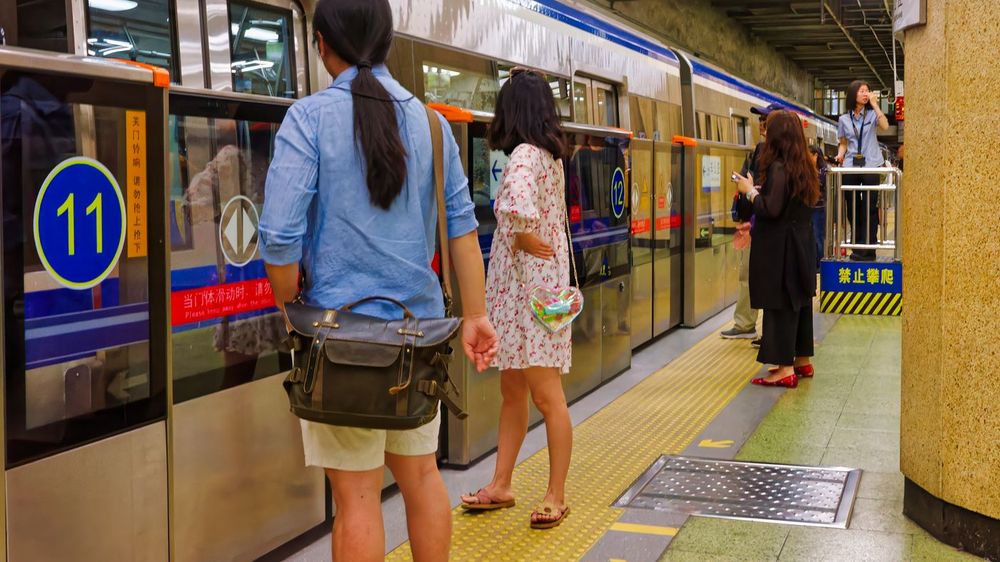
- Keep your bag zipped and in front of you. Wear it across your body on trams, at stations and around famous sights.
- Never keep your phone or wallet in a back pocket. In a crowd, it's the easiest target there is.
- Don't carry all your cards and cash together. Split them up, so one theft doesn't leave you with nothing.
- If someone pushes a petition, a rose or a bracelet at you, say a firm no and keep walking. Don't stop to sign anything, and don't accept free items from strangers.
Common scams targeting students in Italy
- Fake room listings. Scammers copy photos of real flats, post them online at a tempting price, then ask for a deposit to hold the room. Use university-recommended channels and confirm the property before you pay.
- The petition trick. You're asked to sign for a good cause. While you're distracted, you get pressed for a donation, or a partner takes your wallet. Refuse politely and walk on.
- Roses and bracelets. A stranger ties a bracelet on your wrist or hands you a rose, then demands money. Sometimes it's just a distraction. Keep your hands to yourself and say no clearly.
- Drink spiking. There are reports of drinks being spiked in some busy nightlife areas. Watch your drink at all times and stay with friends you trust.
Finding a room without getting scammed
Safety note: Online housing scams are one of the biggest risks for students moving to Italy. A fake landlord may share attractive photos, say they're abroad, and ask for a deposit before you can view the room. Never send money until you've confirmed that both the room and the landlord are real.
Start with your university's housing office or student services. And remember that nice photos and a friendly message prove nothing. Until you've verified the room and the landlord, don't pay a deposit.
Nights out
Keep your drink in your hand, buy your own, and go out with friends who'll look out for you. If you lose sight of your glass, leave it and get a new one.
If something is stolen
Cancel your cards first. Then go to a police station and ask for a written theft report, called a denuncia. If documents were taken, tell your university's international office straight away as well. It helps to note your bank's card-blocking number before you travel, so cancelling takes minutes.
Paperwork: permesso di soggiorno and codice fiscale
Having your documents in order is a big part of feeling secure in Italy. Two pieces of paperwork matter most for students.
The permesso di soggiorno is your residence permit, and it's essential. You need to apply for it on time after you arrive. The process and deadlines can change, so check the exact steps with your university's international office as early as you can. Keep every receipt and document you're given along the way, and put the dates in your calendar with reminders so you don't miss a deadline.
The codice fiscale is your Italian tax code, and it's used for lots of official tasks. Treat it as personal information. Share it only with trusted organisations such as your university, your bank or an employer, and keep a copy with your other important documents.
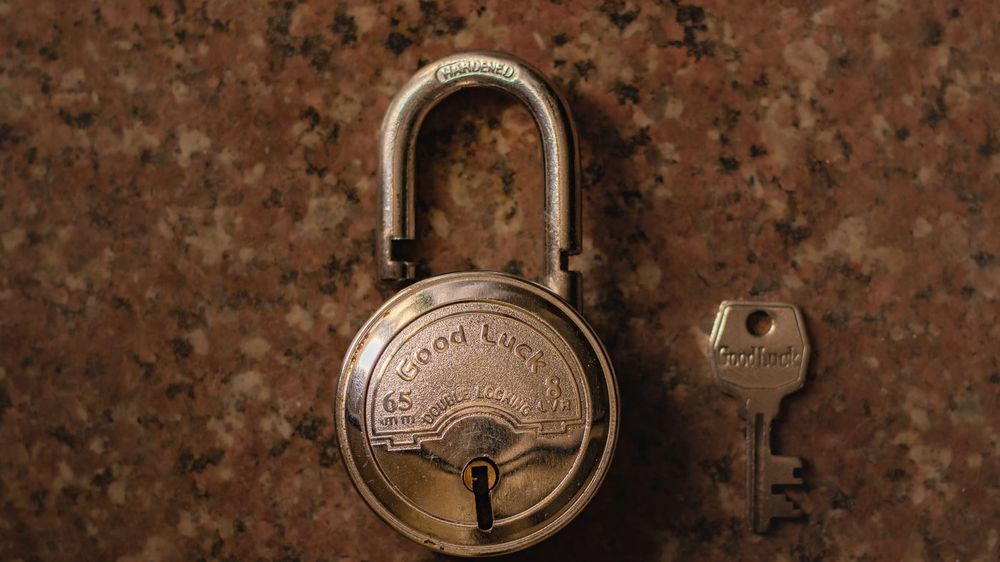
A simple system works well. Keep originals locked away in your room, carry only what you need, and save scans of your passport, visa and admission letter in secure cloud storage.
Before you fly: a quick checklist
- Save 112 and 113 in your phone.
- Book housing through trusted channels, and never pay before confirming the room is real.
- Scan your passport, visa, admission letter and insurance documents.
- Ask your university's international office about permesso di soggiorno steps and deadlines.
- Pack a zipped cross-body bag for daily travel.
- Note your bank's card-blocking number so you can cancel cards quickly.
A few good habits are all it takes for Italy to be a safe and rewarding place to study. To compare universities, costs and intakes, read our guide to study in Italy. For wider planning, see study in Europe without IELTS and our guide to budget planning for study abroad. And if you'd like one-to-one help with your plans, book a free counselling session.
Safety note: This guide is general information, not legal advice. Rules change, so always check with your university's international office and official government websites before you act. Glocal EduGrow will never ask for your passwords, bank details or one-time codes.
Frequently asked questions
Is Italy safe for international students?
Yes, Italy is generally safe for international students. The main risks are pickpocketing in big cities, online housing scams and reports of drink spiking in some busy nightlife areas. Simple habits, such as keeping your bag in front of you and never paying for a room you haven't verified, go a long way.
What is the emergency number in Italy?
Dial 112 for general emergencies, including police, ambulance and fire. You can also dial 113 for the police. Save both numbers in your phone before you travel.
What should I do if my phone or wallet is stolen in Italy?
Cancel your bank cards first. Then go to a police station and ask for a written theft report, called a denuncia. If any documents were taken, tell your university's international office as soon as possible.
How can I avoid housing scams in Italy?
Use your university's housing office or student services where possible, and never pay a deposit until you have confirmed that the room and the landlord are real. Be wary of landlords who say they are abroad and push you to pay quickly.
Do I need a permesso di soggiorno as a student in Italy?
You need to apply for your residence permit, the permesso di soggiorno, on time after you arrive. The steps and deadlines can change, so check them with your university's international office and keep every receipt you are given.