A message pops up on your phone: good money, a few hours a week, just collecting some cash. For a student in South Korea, that's one of the most dangerous offers you'll ever get. So, is South Korea safe for international students? Generally, yes. But the main risks aren't what most families picture. They're voice phishing scams that recruit students through 'high-pay' part-time jobs, and very strict laws on work, drugs and privacy. Here's what to do and what to steer clear of in 2027.
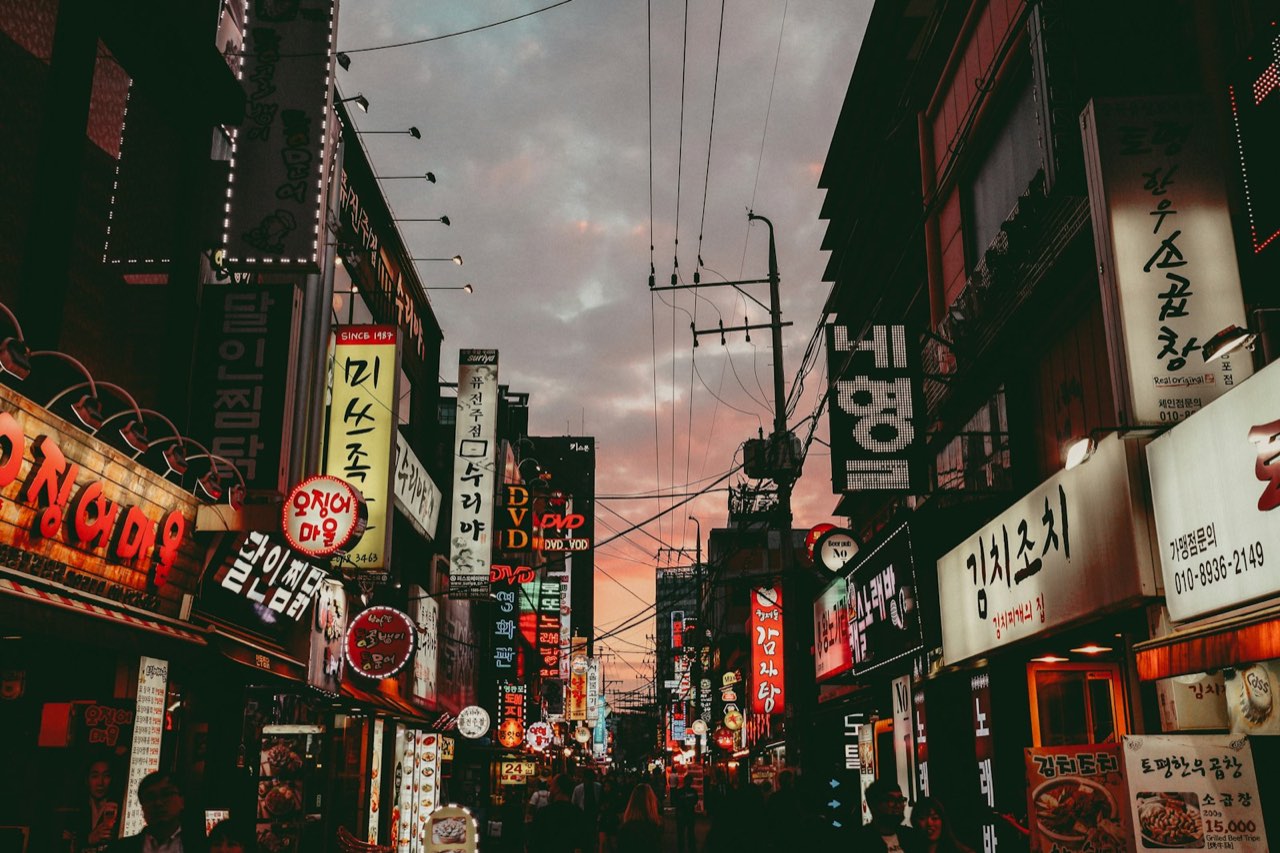
Legal trouble, not street crime
For most students, the risks in South Korea have less to do with street crime and more to do with the law. Korean law is strict and enforcement is active. Something that looks harmless, like a quick part-time job collecting cash, can end in criminal charges and deportation.
The good news? Once you know these risks, they're easy to avoid. Work only within your visa rules. Never handle money for strangers. And be careful with drinks and with your phone camera.
Emergency numbers
| Service | Number |
|---|---|
| Police | 112 |
| Fire and ambulance | 119 |
The cash job that isn't a job
Voice phishing gangs recruit students, often remotely, by offering high pay for simple tasks such as withdrawing cash or delivering money. Students recruited as cash withdrawers or couriers can be charged as fraud accomplices and deported. And telling the police 'it was just a part-time job' won't protect you. It isn't a defence.
So the rule is simple. Don't accept any job that involves withdrawing, collecting or delivering cash for someone else. Don't lend or sell your bank account, card or phone number to anyone, whatever they offer to pay.
Safety note: Voice phishing gangs recruit students, often remotely, with offers of high pay for simple tasks such as withdrawing cash or delivering money. If you take part, you can be charged as a fraud accomplice and deported, even if you didn't know the full story. If a job involves handling other people's money, say no and tell your international office.
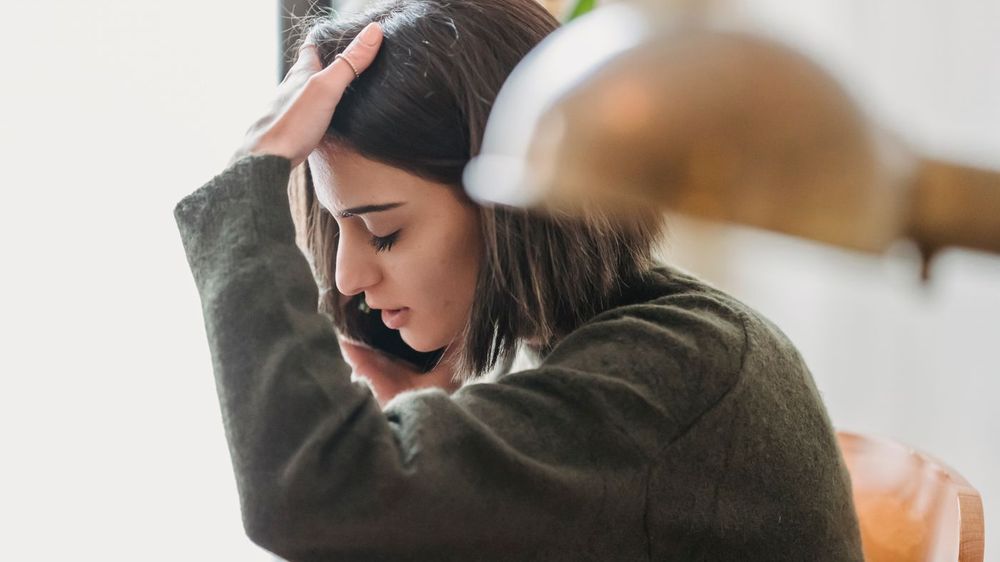
Rules for working while you study
Lots of students take part-time work to manage living costs. In South Korea that's fine, but the rules are strict and breaking them has serious consequences.
- Get permission to work before you start any job, and stay within your visa's allowed hours.
- Check those hours with your international office. Limits depend on your visa, your course level and your grades, and they can change.
- Working off campus without permission is illegal. Full stop.
- Show every offer to your international office before you say yes, especially one that came through social media, a chat app or someone you've never met.
- Be suspicious of pay far above normal rates for very little work, or of a job arranged only through chat apps.
- Keep copies of your employment contract and pay records.
- Not sure a job is allowed? Don't start until your international office confirms it.

Common scams targeting students in South Korea
- High-pay part-time job scams. An advert promises big money for a few hours of work. The task turns out to be collecting or withdrawing cash for a fraud gang. Avoid any job that means handling money for people you haven't met, and run every offer past your international office.
- Fake official calls. The caller says they're from the police, a bank or a government office, and claims you're linked to a crime. Then they ask you to move money or share details. Hang up, and contact the organisation yourself on its official number.
- Account rental requests. Someone offers to pay you to 'borrow' your bank account or card. It helps criminals move money and can land you in serious trouble. Always say no.
- Fake housing listings. A cheap room appears online, and the owner wants a deposit before you've viewed it. Stick to university housing or options your international office recommends.
Drinks, drugs and getting home
The legal drinking age in South Korea is 19. If you do drink, watch your glass at all times and never accept drinks from people you don't know. In 2023, drug-laced drinks were handed to students in Seoul.
Don't touch illegal drugs. The laws are strict and enforcement is active.
Getting home matters too. Drink-driving rules cover cars and e-scooters, so riding an e-scooter after drinking counts as drink-driving. Take a taxi or public transport instead.
Your phone camera and consent
South Korea has very strict laws against taking or sharing intimate images without consent. Don't take, share or forward intimate images without consent, and that includes AI-generated images. For everyday photos, the habit is simple: ask people before you photograph them.
Before you fly: a quick checklist
- Save 112 and 119, plus your international office's number.
- Read your university's process for getting permission to work.
- Keep copies of your passport, visa and admission letter.
- Plan a realistic budget so 'easy money' jobs never tempt you.
- Agree a regular check-in routine with your family.
Know the rules and South Korea can be a rewarding place to study. Read more about how to study in South Korea, explore scholarships, costs and opportunities, or book a free counselling session and we'll help you plan your 2027 intake.
Safety note: This guide is general information, not legal advice. Rules change, so always check with your university's international office and official government websites before you act. Glocal EduGrow will never ask for your passwords, bank details or one-time codes.
Frequently asked questions
Is South Korea safe for international students?
Yes, South Korea is generally safe for international students. The main risks are voice phishing scams that recruit students through high-pay part-time jobs, and strict laws on work, drugs and privacy.
What is the voice phishing part-time job scam in Korea?
Fraud gangs recruit students, often remotely, as cash withdrawers or couriers. Students who take part can be charged as fraud accomplices and deported, and saying it was just a part-time job is not a defence.
Can international students work part-time in South Korea?
Only with permission and within your visa's allowed hours. Limits depend on your visa, course level and grades, so check with your international office. Working off campus without permission is illegal.
How strict are South Korea's drug laws for foreigners?
Very strict, with active enforcement. Never accept drinks from people you do not know. Drug-laced drinks were handed to students in Seoul in 2023.
What is the drinking age in South Korea?
The legal drinking age is 19. Never drink and drive, and remember this includes riding an e-scooter.