
One of the costliest things that can go wrong in Spain happens before you've even arrived: a deposit sent to a 'landlord' who doesn't exist. Keep that in mind, because the honest answer to 'is Spain safe for international students?' is yes, very much so. Opportunistic petty crime is the main threat, especially pickpocketing in crowded tourist areas of Madrid and Barcelona. Rental scams are the other risk, particularly while you're still hunting for a room from India. Keep your belongings close, never rush into paying for housing, and you'll be in good shape.

Mostly small problems
Spain is a popular study destination with a relaxed, social way of life, and for most students daily life feels calm and comfortable. The problems you're likely to meet are small ones. A phone lifted from an open bag in a busy square. A wallet taken on a crowded train.
Rental fraud is a bigger hit to your wallet. Scammers know students arrive with deposits ready and little time to search, so they use fake listings, stories about a landlord who lives far away, and pressure to pay fast. Knowing these tricks before you start looking is the best protection you've got.
Emergency numbers to save
| Service | Number |
|---|---|
| General emergency (police, ambulance, fire) | 112 |
| National police | 091 |
Add both to your phone before you leave India.
Housing: how to rent safely in Spain
Finding a room is one of your first big tasks in Spain, and it's where many students lose money. So take it calmly, one step at a time.
Safety note: The biggest scam facing students in Spain is the remote landlord. The person says they live abroad, can't show you the flat, and asks you to transfer a deposit so they can post the keys or hold the room. Never send money for a room that you, or someone you trust, hasn't seen.
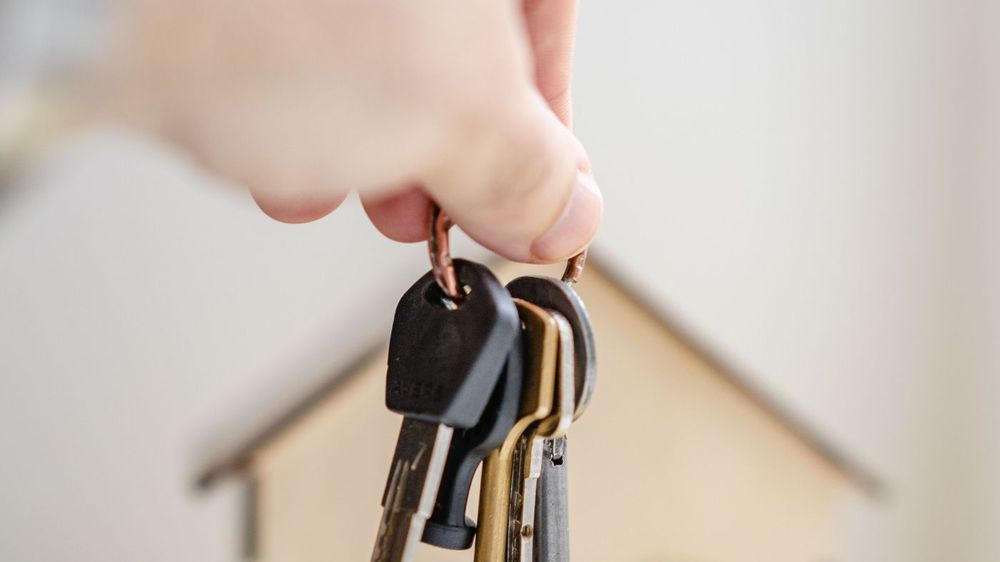
- Start with your university. The international office or student services can tell you which accommodation options they trust.
- Look hard at the listing. If the price is far lower than similar rooms nearby, be cautious.
- See the room. View it in person, or ask a trusted friend or classmate to visit for you.
- Meet the landlord or agent. Make sure the person you're paying is real and has the right to rent the property.
- Get it in writing. Ask for a written agreement showing the rent, the deposit and what's included.
- Pay safely. Use a traceable payment method and keep receipts for everything.
Some students book short-term accommodation for their first few weeks. It gives them time to view rooms in person before signing anything long term.
Common scams targeting students in Spain
- The remote landlord. The landlord claims to be away and wants a money transfer before you can view the property. That's a classic warning sign. Don't pay until you've seen the room and confirmed the landlord, and never send money to a landlord you've never met.
- Fake listings. Scammers copy photos of real flats and advertise them cheaply. Use university-recommended channels and check the address before you commit.
- Pressure to pay fast. You're told other students are interested and you must pay today. Treat that as a red flag and slow down. A genuine landlord will let you check things properly.
- Unsolicited gifts. A stranger in the street offers you a small gift, then asks for money or uses the moment to distract you. Say no politely and walk on.
In the square and on the train
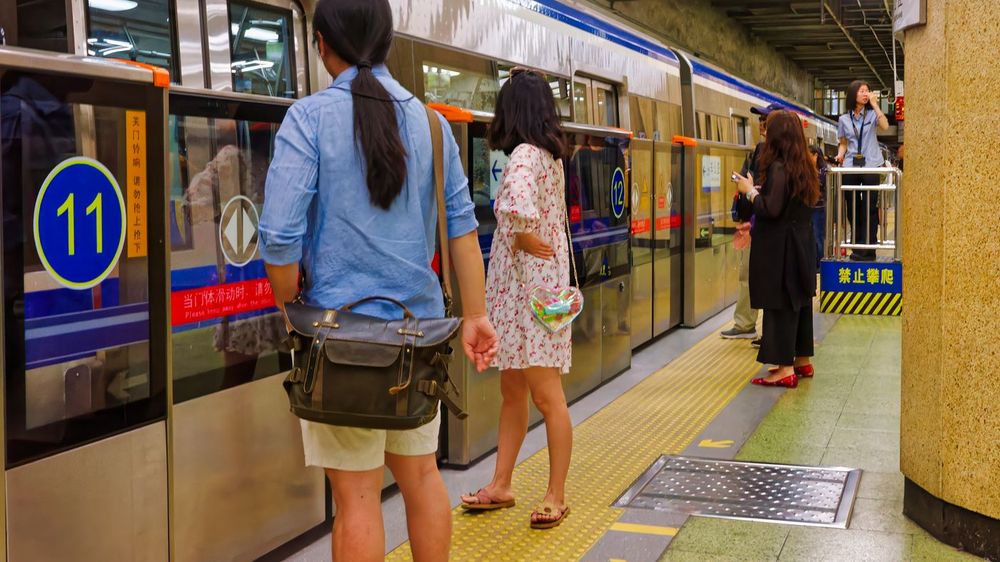
Pickpockets look for easy chances, so don't give them any. A zipped bag worn at the front of your body is much harder to open in a crowd. Put your phone away on busy streets, platforms and squares, and step to one side if you need to check directions.
In cafes, don't leave your phone on the table. It takes a second for someone walking past to pick it up. Keep your bag on your lap or between your feet, not hanging on the back of your chair.
Don't carry all your valuables at once, either. Leave your passport and spare cards locked away when you don't need them, and keep one card and a little cash separate from your main wallet, so a theft doesn't leave you stuck.
If you're robbed
Act quickly. Block your cards, report the theft to the police, and tell your international office if any documents were taken. Scans of your passport, visa, admission letter and insurance, stored securely online, will make the next steps much easier.
Your TIE
Your student residence card, the TIE, is important. Apply for it on time, and check the steps and deadlines with your university's international office. Don't leave the paperwork to the last minute: missing a step can cause stress you really don't need.
Before you fly: a quick checklist
- Save 112 and 091 in your phone.
- Scan your passport, visa, admission letter and insurance documents.
- Ask your university's international office about TIE steps and deadlines.
- Book your first accommodation through a trusted channel.
- Pack a zipped bag you can wear in front of you.
- Note your bank's card-blocking number.
With sensible habits, Spain can be one of the most enjoyable and safe places in Europe to study. To explore universities, courses and costs, see our page on how to study in Spain. Our guides to study in Europe without IELTS and the December 2026 study abroad checklist may help too. When you're ready to plan, book a free counselling session.
Safety note: This guide is general information, not legal advice. Rules change, so always check with your university's international office and official government websites before you act. Glocal EduGrow will never ask for your passwords, bank details or one-time codes.
Frequently asked questions
Is Spain safe for international students?
Yes, Spain is generally very safe for international students. The main threat is opportunistic petty crime, such as pickpocketing in crowded tourist areas of Madrid and Barcelona. Rental scams are the other risk to watch for.
What is the emergency number in Spain?
Dial 112 for general emergencies, including police, ambulance and fire. The national police can be reached on 091. Save both numbers before you travel.
How do I avoid pickpockets in Madrid and Barcelona?
Keep your bag closed and in front of you, stay off your phone in crowds, and don't leave your phone on a table or your bag on the back of a chair. Carry only what you need for the day.
How can I spot a rental scam in Spain?
Common warning signs are a landlord who says they are abroad and asks for a transfer before you can view the room, prices far below similar rooms, and pressure to pay immediately. Never pay for a room that you or someone you trust has not seen.
What is the TIE and when should I apply?
The TIE is your student residence card in Spain. You should apply for it on time, but the steps and deadlines can change, so check them with your university's international office.