
In many Swiss buildings, quiet hours usually start from 10 pm, and they're taken seriously. It's a good example of what actually trips students up here. Switzerland is very safe for international students, and for most of them crime isn't the main concern. The bigger risks are breaking strict everyday rules on quiet hours, recycling, registration and work limits, and underestimating the mountains. Learn the rules early and you'll save yourself stress, and possibly a fine.
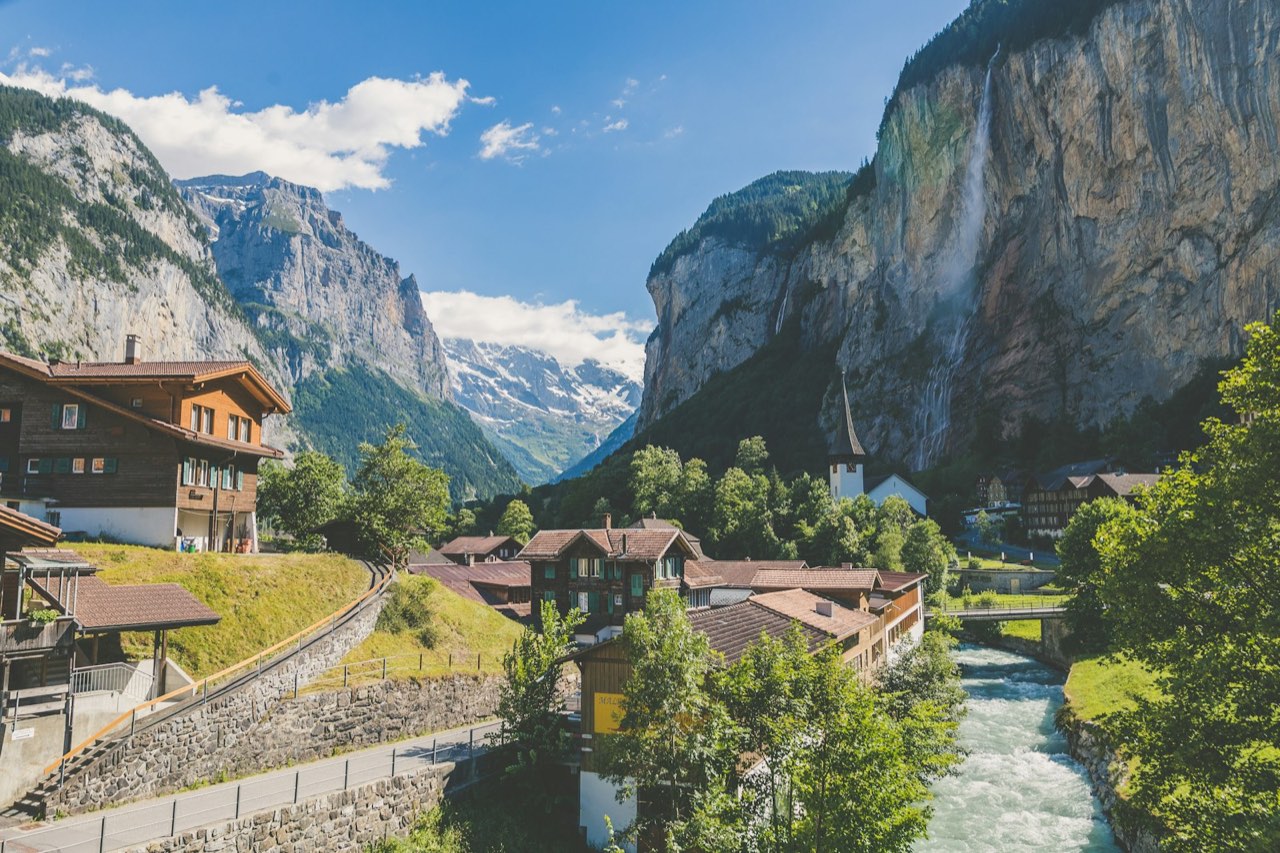
Is Switzerland safe for international students?
Very safe overall. Daily life is calm and orderly, universities have international offices to help you settle, and emergency services are well organised. Normal precautions still make sense, though: lock your door, keep your phone and wallet secure, and be careful online.
What surprises a lot of new students is how seriously everyday rules are taken. Quiet hours usually start from 10 pm, and some buildings have quiet rules on Sundays too. Recycling is strict, and fines are possible. You must register with local authorities and get your residence permit within 14 days of arrival, and health insurance is compulsory. Work rules for non-EU students are tight. And the mountains deserve real respect.
The Swiss rules that matter for students
Most of these rules come down to living considerately and getting paperwork done on time. Get them right and you'll stay on good terms with neighbours, landlords and the authorities.
- Quiet hours: usually from 10 pm, and in some buildings on Sundays as well. No loud music, laundry or slamming doors during these times.
- Recycling: strict, and fines are possible. Ask your landlord or neighbours how the local system works.
- Registration: register with local authorities and get your residence permit within 14 days of arrival.
- Health insurance: compulsory for students.
- Work: non-EU students can usually work only up to 15 hours a week, and only after six months of study. Rules can differ, so check with your canton and your university.
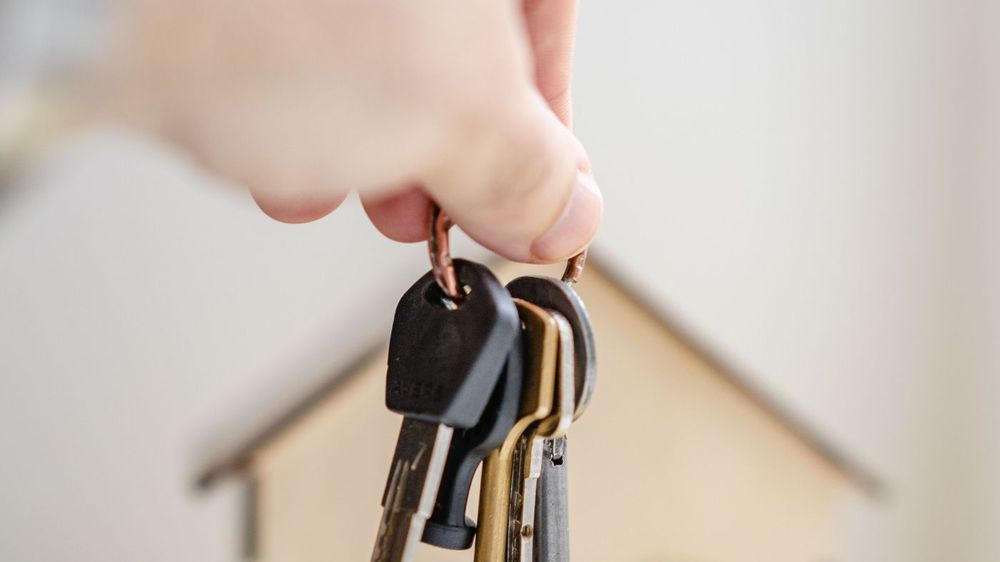
Four emergency numbers
| Service | Number |
|---|---|
| General emergency | 112 |
| Police | 117 |
| Fire | 118 |
| Ambulance | 144 |
Save all four in your phone before you fly.
What to do
- Register within 14 days of arrival. Register with local authorities and apply for your residence permit within 14 days, and keep all your documents together.
- Sort out compulsory health insurance. It's compulsory, so arrange it early and keep your policy details handy.
- Respect quiet hours. They usually start from 10 pm, and some buildings have Sunday rules too, so read your house rules.
- Recycle properly. Learn how your building or town does it, because recycling is strict and fines are possible.
- Check the forecast before any mountain trip. Conditions can change, so plan around the forecast and turn back if you need to.
- Wear the right gear in the mountains. Suitable footwear and clothing, plus water, food and a charged phone.
- Check work rules with your canton. Non-EU students can usually work only up to 15 hours a week, and only after six months of study.
- Keep copies of important documents. Store scans of your passport, visa, residence permit and insurance securely.
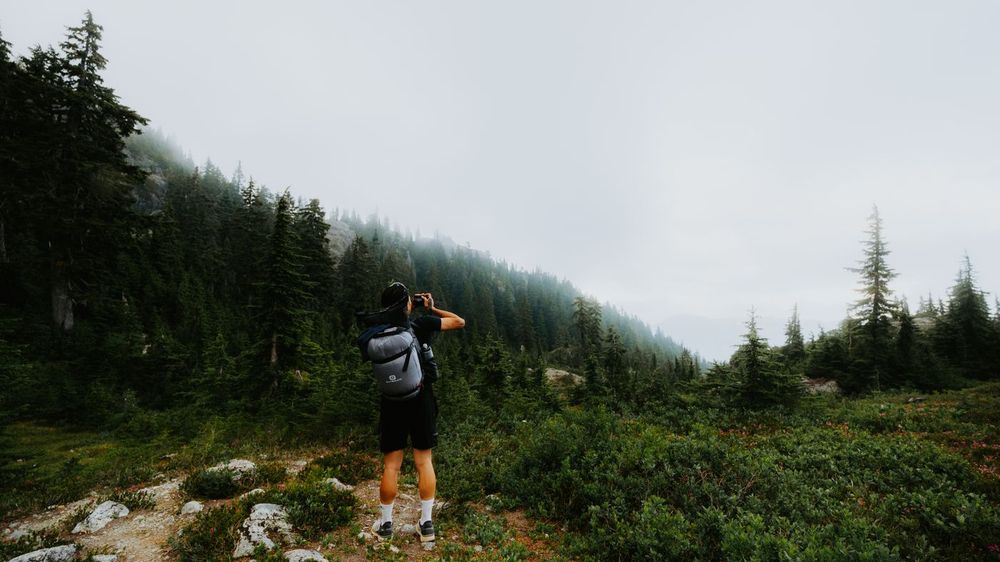
Safety note: The mountains are one of Switzerland's biggest attractions and its biggest physical risk for students. Always check the forecast, use proper gear, and never hike difficult routes alone or unprepared. In an emergency, call 112 or 144 for an ambulance.
What not to do
- Don't make noise during quiet hours. From around 10 pm, skip the loud music, the laundry and the slammed doors.
- Don't put recyclables in general waste. Recycling rules are strict and fines are possible.
- Don't miss the 14-day registration deadline. Register and get your residence permit on time.
- Don't skip health insurance. It's compulsory.
- Don't start working before you're allowed to. Non-EU students can usually work only after six months of study, so check your canton's rules.
- Don't hike difficult routes alone or unprepared. Pick routes that match your experience, and tell someone your plans.
- Don't share passwords, PINs or one-time codes. No real bank, university or official will ask for them.
Online scams still cross the border
Switzerland is very safe, but online scams don't care about borders. Watch for these general tricks:
- Fake rental listings. A cheap room from a landlord who's abroad and wants a deposit first. Pay only after a viewing, and get the terms in writing.
- Phishing messages. An email or text asks you to log in to your bank or confirm a payment through a link. Open your banking app, or type the website address yourself.
- Jobs that require a fee. An easy job offer that asks you to pay for training or registration. Never pay to get a job, and check offers with your university.
- Urgent payment demands. A caller or message says you owe a fine and must pay immediately. Hang up, and check with your international office or the official website.
Packing and paperwork checklist
- Save 112, 117, 118 and 144 in your phone, plus your university's international office number.
- Scan your passport, visa, admission letter and insurance documents and store them securely.
- Plan how you'll register and get your residence permit within 14 days of arrival.
- Arrange compulsory health insurance.
- Pack warm layers and sturdy shoes if you're planning to explore the mountains.
Once you know the rules, Switzerland gives you highly regarded universities and a very safe place to live. Explore your options on our study in Switzerland page, and read our guide to budget planning for study abroad. For advice on your own situation, book a free counselling session with our team.
Safety note: This guide is general information, not legal advice. Rules change, so always check your university's international office and official government websites before you act. Glocal EduGrow will never ask for your passwords, bank details or one-time codes.
Frequently asked questions
Is Switzerland safe for international students?
Yes, Switzerland is very safe overall. The main things to get right are everyday rules, such as quiet hours, recycling and registration, and safety in the mountains.
What are quiet hours in Switzerland?
Quiet hours usually start from 10 pm, and some buildings also have quiet rules on Sundays. Avoid loud music, laundry and slamming doors during these times, and check your house rules.
When do I need to register in Switzerland?
You need to register with local authorities and get your residence permit within 14 days of arrival. Health insurance is also compulsory.
Can international students work in Switzerland?
Non-EU students can usually work only up to 15 hours a week, and only after six months of study. Rules can differ, so check with your canton and university.
What are the emergency numbers in Switzerland?
Call 112 for general emergencies, 117 for the police, 118 for the fire service and 144 for an ambulance.